
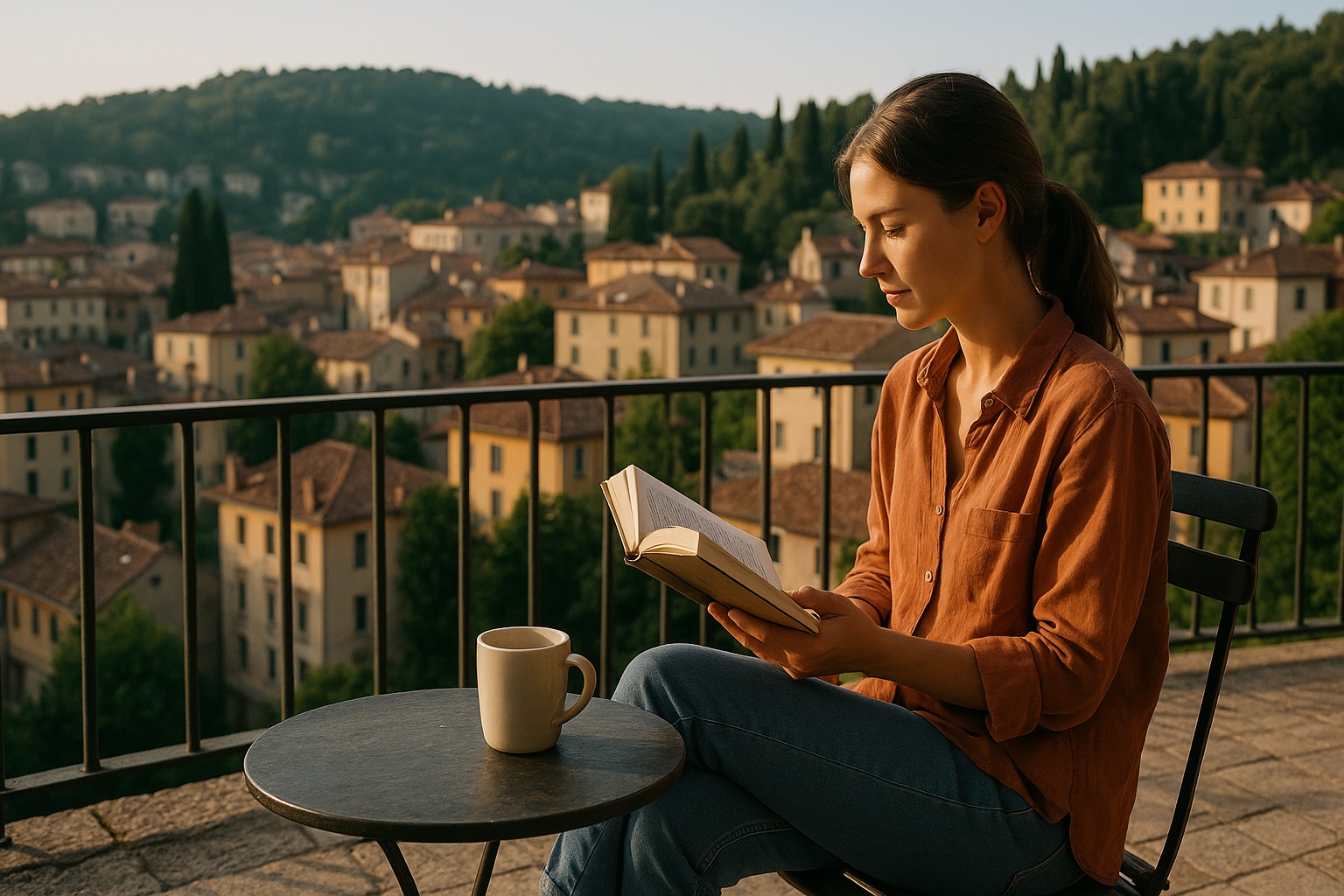
Redefining the way we move
In a world obsessed with speed and efficiency, slow travel offers a refreshing alternative — one that prioritizes experience over checklist, depth over distance. Rather than rushing through a packed itinerary or city-hopping in a blur, slow travel invites you to settle into a place, understand its rhythms, and engage with its culture on a human scale. This approach not only reduces the stress often associated with travel but also enhances the emotional richness of each journey, allowing for deeper connections and lasting memories.
Immersive experiences that matter
Slow travel encourages longer stays in fewer locations, giving travelers the chance to become temporary locals rather than perpetual tourists. You begin to notice everyday details — the way the sunlight shifts across a town square, the greeting rituals of a neighborhood bakery, or the rhythm of local buses and market stalls. This deeper familiarity creates room for spontaneous discoveries, authentic conversations, and cultural insight that can’t be captured through sightseeing alone. It transforms travel into something that feels less like consumption and more like quiet participation in someone else’s world.
A more sustainable way to explore
Beyond the personal benefits, slow travel also supports more sustainable tourism. By minimizing flights, favoring public transport, and supporting local businesses, travelers help reduce their carbon footprint and contribute directly to the economies they visit. Staying in small guesthouses, eating at family-run restaurants, or participating in local workshops ensures that tourism dollars are distributed more equitably and that communities remain vibrant and respected. This form of travel not only leaves a lighter environmental impact but also preserves the cultural character of destinations for future generations.
Reconnecting with presence
Perhaps the greatest gift of slow travel is the space it creates for presence. With fewer distractions and a slower pace, you become more attuned to your surroundings and yourself. There’s time to reflect, to pause over a coffee without a next destination in mind, to watch a sunset without the impulse to photograph it. These moments of stillness and awareness are where meaning often hides — not in what you see, but how you see it. Travel, then, becomes not just about where you go, but who you become along the way.
