
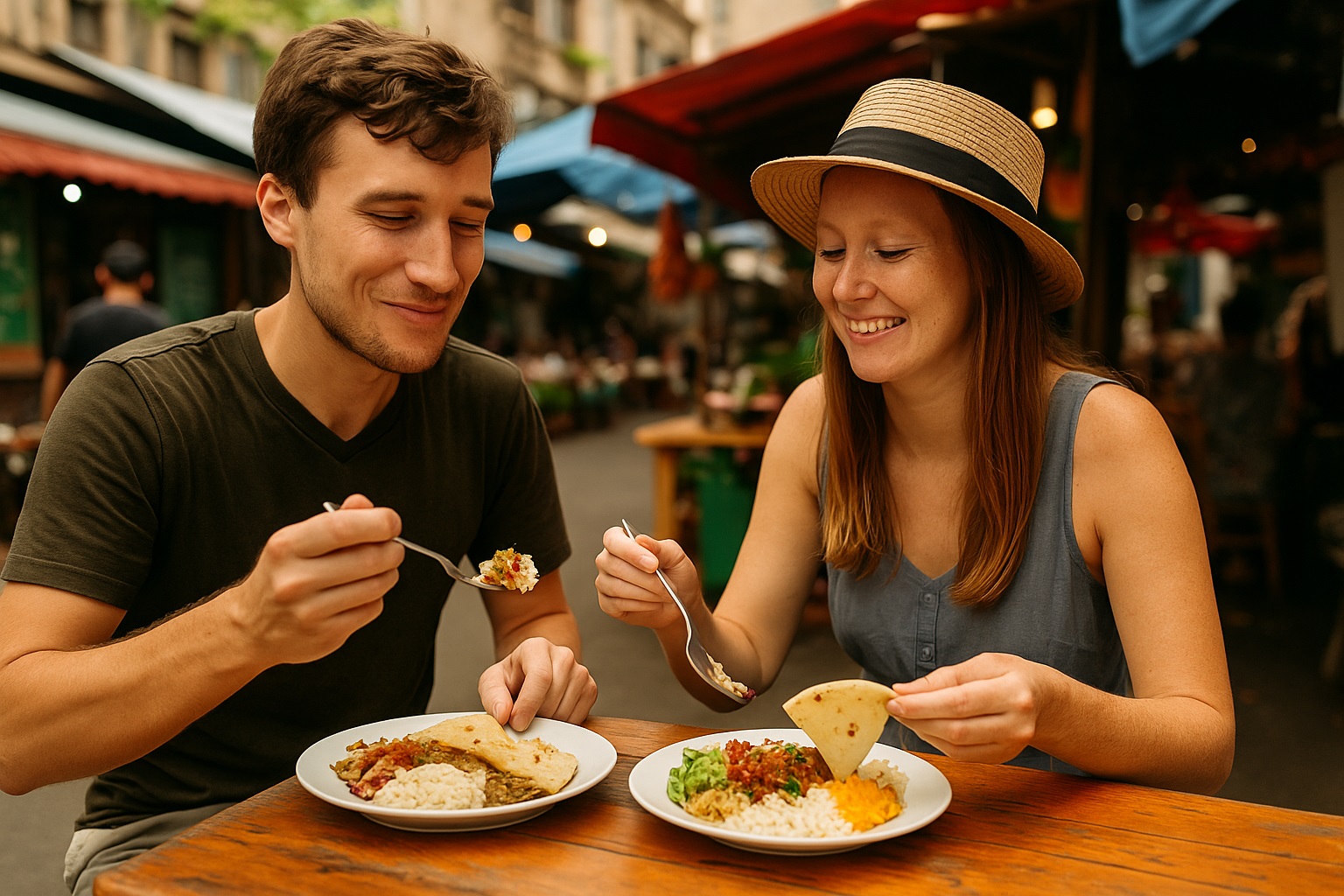
Traveling isn’t just about seeing new places — it’s about tasting them. Culinary tourism, the practice of exploring the world through food, has become one of the most meaningful and immersive ways to connect with different cultures. From street food stalls in Bangkok to family-run trattorias in rural Italy, food offers more than nourishment; it tells stories of history, migration, climate, and community. For curious travelers, every meal becomes an adventure, and every dish is a doorway to understanding local life from the inside out.
Flavor as a cultural ambassador
Every region has a distinct culinary identity shaped by its geography, traditions, and values. In Morocco, spices like cumin and saffron are woven into centuries-old recipes passed down through generations. In Japan, the art of sushi reflects precision, seasonality, and aesthetics. These dishes are not just meals — they are expressions of cultural memory. By learning about food customs, preparation techniques, and the rituals of sharing a meal, travelers gain deeper respect and empathy for the communities they visit. It’s cultural exchange made tangible — and delicious.
Supporting local economies and sustainability
Culinary tourism often brings travelers away from crowded landmarks and into local neighborhoods, supporting small farms, markets, and eateries. Food tours, cooking classes, and farm-to-table experiences not only create memorable interactions but also contribute directly to the local economy. When tourists seek out traditional cuisine made with local ingredients, they help preserve agricultural biodiversity and culinary heritage. At the same time, conscious food travelers can promote sustainable practices by favoring low-impact dining and reducing food waste.
A more connected way to explore
Eating is a universal human experience, and it has the power to bridge even the widest cultural gaps. Sharing a table with strangers, trying unfamiliar flavors, or learning how to make a regional dish creates moments of connection that transcend language. Whether you’re sipping coffee with locals in Istanbul or making tortillas in Oaxaca, food creates a common ground — a way to connect, reflect, and belong, even far from home.
