
Ancient skill, modern revival
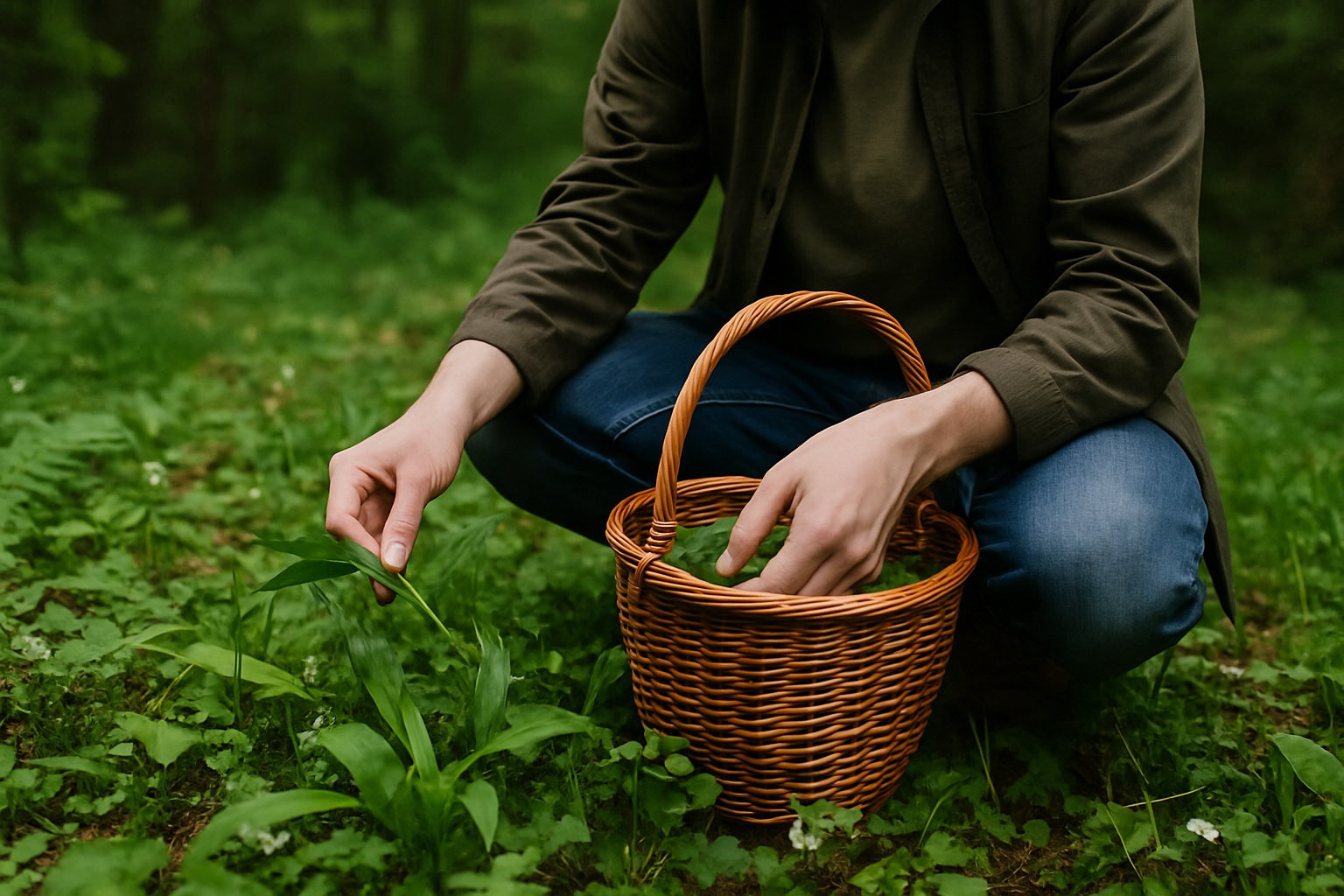
Foraging — the practice of gathering wild, edible plants and mushrooms — is experiencing a renaissance. Once a survival skill or a tradition passed down through rural families, it’s now being embraced by chefs, nutritionists, and nature lovers alike. In a world increasingly disconnected from the origins of our food, foraging offers a unique opportunity to step outside, observe the land, and discover the flavors that have nourished humans for millennia. It’s not just about free food — it’s about learning, tasting, and belonging to the natural world again.
Nutritional and culinary value
Wild foods are often more nutrient-dense than their cultivated counterparts. Nettles are high in iron, dandelion greens support digestion, and wild garlic adds a rich, savory kick to any dish. Unlike store-bought produce, these plants grow in diverse ecosystems without artificial fertilizers or chemicals. They follow seasonal cycles, making each discovery feel like a limited-edition gift from nature. Cooking with foraged ingredients brings creativity into the kitchen — from mushroom risottos to floral syrups and herbal teas — turning simple meals into nourishing, memorable experiences that reflect a true sense of place.
A mindful, ecological practice
Responsible foraging deepens your awareness of the environment. To find wild food, you must slow down, observe habitats, identify plants correctly, and learn how they interact with each other. This attention fosters a stronger appreciation for biodiversity and sustainability. Ethical foraging means taking only what you need, never uprooting entire plants, and always leaving enough for wildlife and regeneration. These practices ensure that foraging enhances ecosystems rather than depleting them, making it a truly sustainable source of nourishment and joy.
Starting small and staying safe
For those new to foraging, it’s essential to learn from reputable sources — field guides, local experts, or workshops — especially when dealing with mushrooms or look-alike species. Start with easy-to-identify plants like wild mint, wood sorrel, or elderflower. Urban foraging is also possible, as many edible plants grow in parks, along rivers, or even in backyards, though it’s important to avoid areas exposed to pollution or pesticide use. With practice, what once looked like weeds becomes a wild pantry waiting to be explored.
