
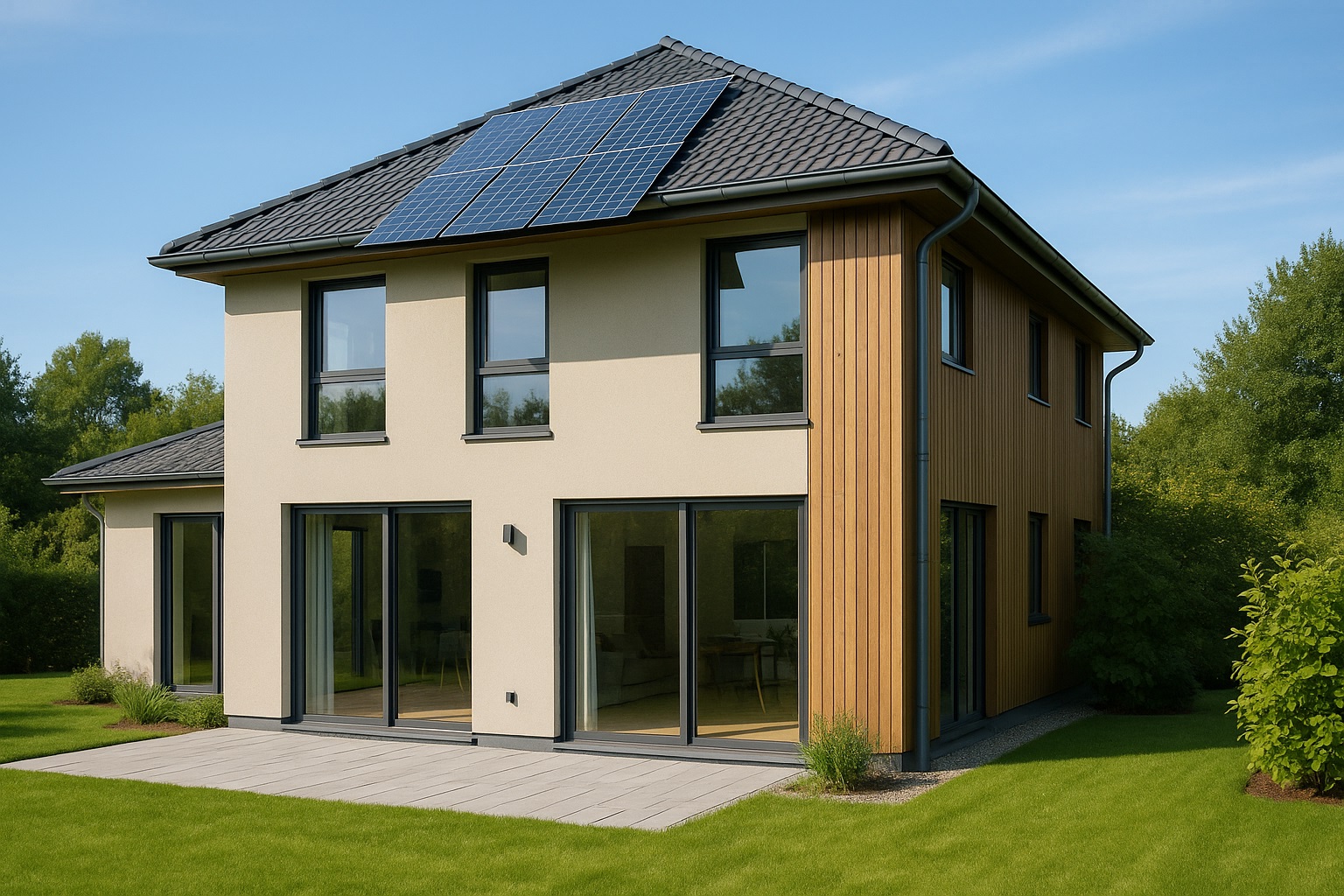
Rethinking the way we live
As energy costs rise and climate change intensifies, homeowners and architects alike are turning to smarter, more sustainable building strategies. One of the most effective solutions is the passive house — a building standard that dramatically reduces energy consumption while increasing comfort and air quality. Originally developed in Germany, passive house design focuses on insulation, airtightness, and efficient ventilation. The result is a home that stays warm in winter, cool in summer, and needs very little energy to run, all while feeling calm, quiet, and refreshingly fresh inside.
How it works and why it matters
Passive houses are designed to maintain a stable indoor temperature with minimal heating or cooling. This is achieved through thick, high-quality insulation, triple-glazed windows, and a sealed building envelope that prevents unwanted air leakage. Instead of opening windows to get fresh air, these homes use a mechanical ventilation system with heat recovery — constantly bringing in filtered, clean air while preserving warmth. This system not only keeps energy use low but also contributes to better respiratory health and overall indoor air quality, making the space feel clean and alive throughout the year.
Energy savings without sacrificing comfort
One of the most attractive aspects of passive house design is that it doesn’t require a compromise in comfort. In fact, it often enhances it. Temperatures remain consistent in every room, drafts are eliminated, and external noise is reduced thanks to airtight construction. Homes stay cozy in winter and cool during hot months, without the constant hum of heaters or air conditioners. Over time, this efficiency adds up to significant savings — not just financially, but also environmentally. In many cases, passive homes use up to 90% less energy for heating and cooling than traditional buildings.
Designing with the future in mind
Building a passive house isn’t just about installing better insulation — it’s about adopting a whole-system approach. Orientation matters: homes are often positioned to maximize solar gain in colder climates and minimize it in warmer ones. Roof overhangs, shading devices, and thermal bridges are all carefully planned. Materials are selected not only for their performance but also for their ecological footprint. This design philosophy doesn’t just lower emissions — it also creates a resilient, future-ready home that protects its occupants from rising energy costs and extreme weather conditions.
