
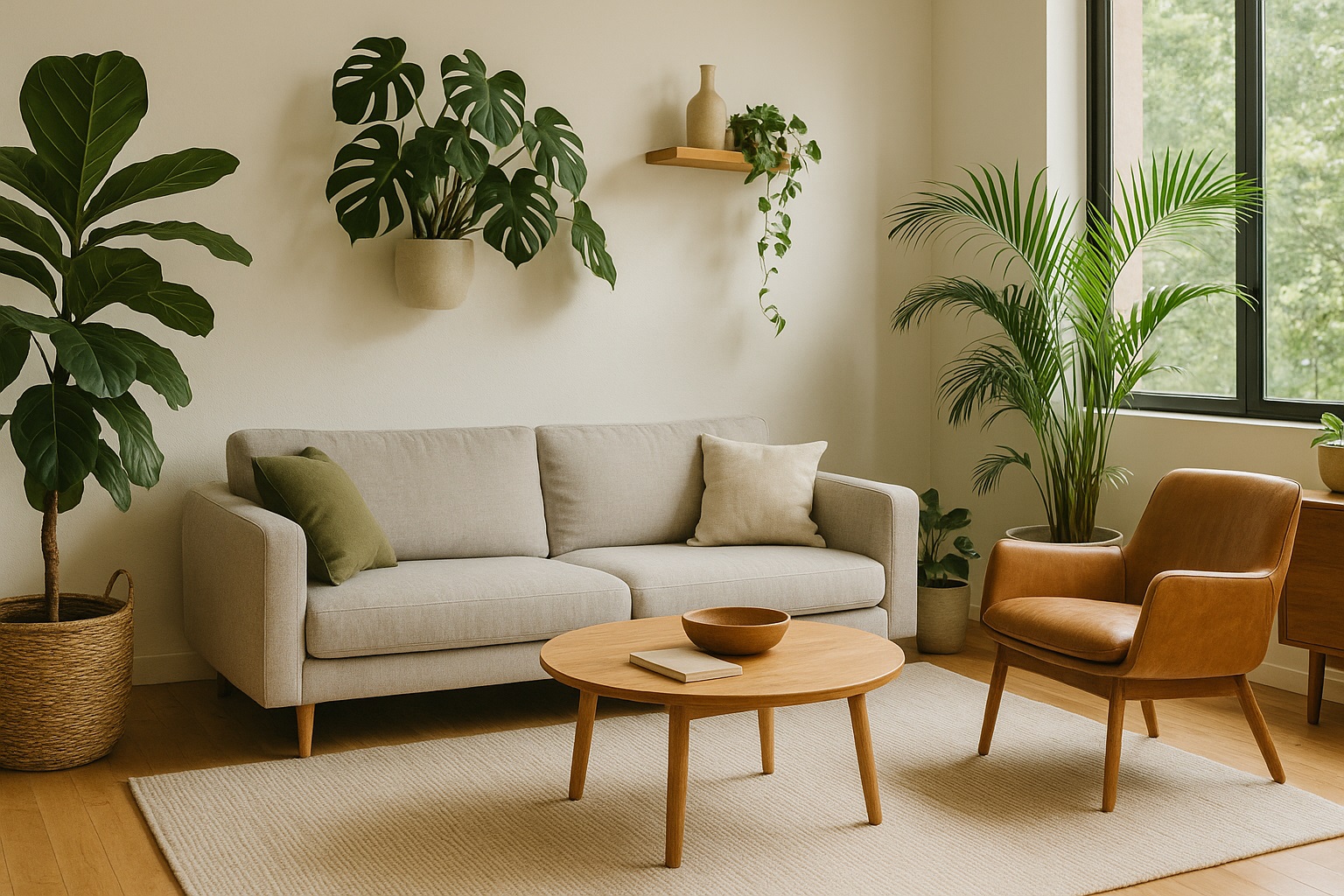
Where architecture meets well-being
Biophilic design is more than a trend — it’s a transformative approach to creating spaces that reflect our deep, instinctive connection to nature. Rooted in the concept that humans thrive when surrounded by natural elements, biophilic design integrates greenery, light, water, and organic materials into architectural planning. From residential interiors to corporate offices and public buildings, this philosophy reimagines how we live and work, making indoor environments not only more beautiful but also healthier and more sustainable.
Natural elements that shape modern design
At the heart of biophilic design is the use of nature’s patterns and materials. Living walls, indoor plants, natural wood, stone finishes, and water features bring a sense of calm and vitality to any room. Daylight is maximized through large windows, skylights, or glass partitions, while color palettes mimic natural landscapes — earth tones, greens, and soft blues. These elements create spaces that feel more open, peaceful, and alive, reducing stress and enhancing comfort.
A measurable boost to health and productivity
Studies show that people exposed to biophilic environments experience lower blood pressure, improved cognitive function, and higher emotional well-being. In offices, productivity and job satisfaction increase; in homes, anxiety and fatigue decrease. The presence of greenery can even improve air quality by filtering toxins and increasing oxygen levels. In schools, students perform better; in hospitals, patients heal faster. These tangible results make biophilic design a compelling solution for both residential and commercial spaces.
Sustainability through natural integration
Biophilic design is often aligned with eco-conscious architecture. By maximizing natural light and ventilation, it reduces dependence on artificial lighting and air conditioning. Green roofs and vertical gardens help insulate buildings and absorb rainwater, while natural materials support renewable sourcing and reduce synthetic waste. This overlap between aesthetics, wellness, and environmental responsibility is what sets biophilic design apart from decorative trends — it’s a complete philosophy of living well and responsibly.
Practical steps to apply it at home
You don’t need a major renovation to bring biophilic design into your space. Start with indoor plants that are easy to care for, such as ferns, pothos, or peace lilies. Add natural materials like wooden furniture or jute rugs. Let in more daylight, reduce clutter, and arrange spaces to allow for visual openness. Even nature-inspired artwork or textures can evoke the calming influence of the outdoors. These small changes, when applied with intention, can transform how you feel in your home every day.
