
Community Transport Dial a Ride: How It Works, What It Costs and How to Get Involved
A community transport dial a ride scheme is the quiet infrastructure that keeps a market town like Wallingford functioning for people who cannot reach a bus stop, drive a car, or afford a taxi to the surgery. Dial a ride works on a simple principle: you telephone or email a booking line a day or more in advance, give a pick-up address and a destination, and a wheelchair-accessible minibus collects you from your door. Fares usually sit between £2 and £5 each way, with concessionary bus pass holders travelling free or heavily discounted on many schemes. Around 2,500 community transport operators run in the UK under Section 19 and Section 22 permits, carrying tens of millions of passenger journeys a year. This guide explains how the model works, what it costs, who qualifies, how it sits alongside other voluntary activity in a parish, and how to get involved.
How a Dial a Ride Service Operates Day to Day
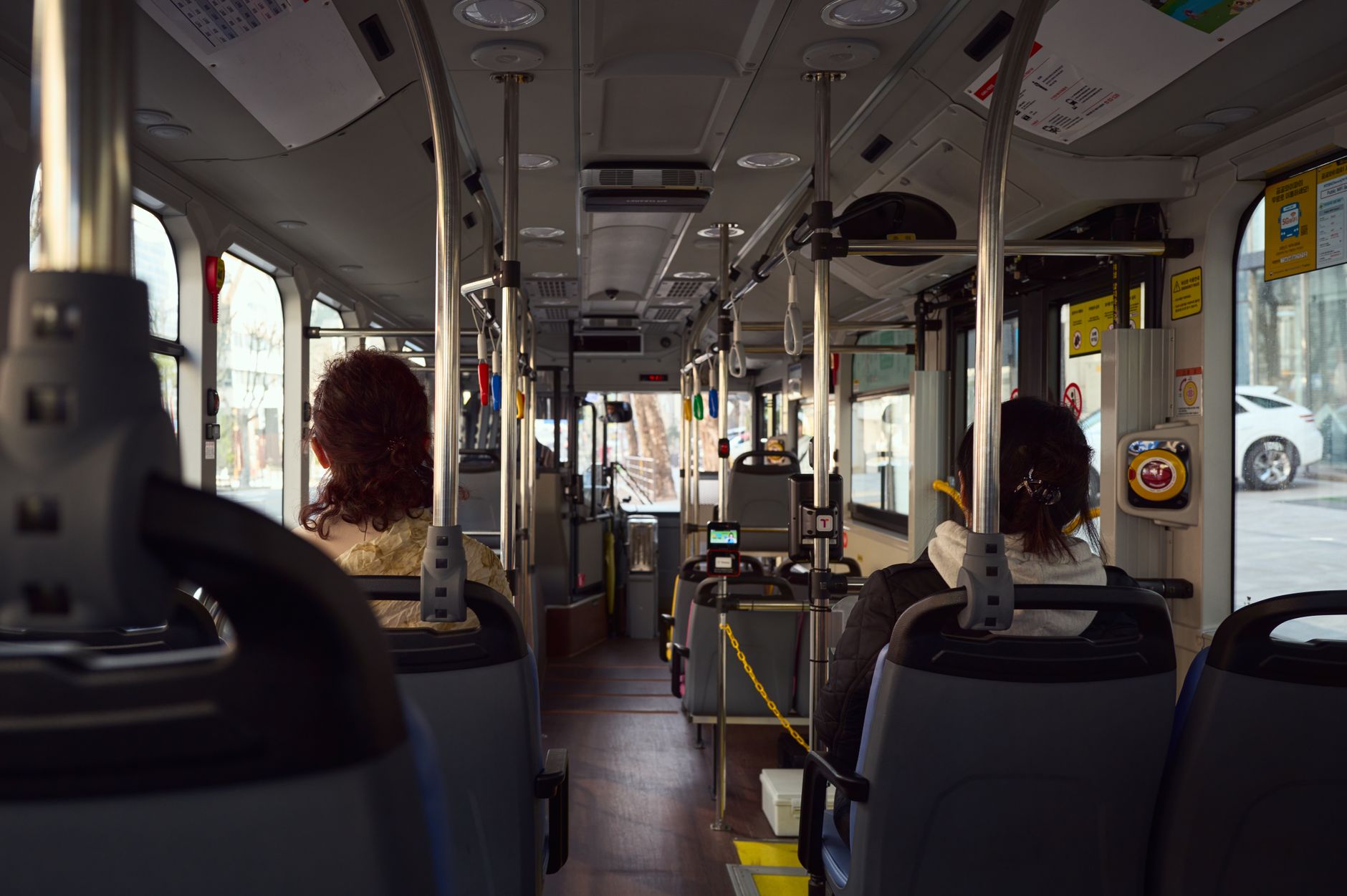
Most schemes run Monday to Friday, roughly 9am to 4pm, with a small fleet of 8 to 16 seat minibuses fitted with tail lifts and low-step entry. A scheduler batches bookings into loops so a single vehicle can serve six or seven passengers across one morning run without empty mileage.
Booking is the part newcomers find unfamiliar. A community transport dial a ride line typically asks for 24 to 48 hours notice, because tomorrow’s routes are built the afternoon before. Regular appointments such as dialysis, day centres or a weekly shop can be set as a standing booking for months at a time.
Eligibility is need-based rather than age-based. Registration usually requires a short form confirming that no accessible bus route exists, no household car is available, or that a mobility condition makes standard public transport impractical. Most operators carry a companion or carer free, and allow assistance dogs, folded walkers and shopping trolleys at no extra charge.
Fares, Passes and What a Typical Journey Costs
Fares recover fuel and driver time rather than generate profit. Expect £2 to £4 for a single journey within town, £5 to £9 for a trip to a district hospital, and annual membership of £5 to £15. English National Concessionary passes are accepted by many registered operators on qualifying services.
| Option | Typical cost | Door to door | Notice needed |
|---|---|---|---|
| Dial a ride minibus | £2 to £9 return | Yes | 24 to 48 hours |
| Volunteer car scheme | 45p to 55p per mile | Yes | 2 to 5 days |
| Scheduled local bus | £2 to £3 single | No | None |
| Private taxi | £12 to £40 per trip | Yes | Same day |
| Hospital patient transport | Free if eligible | Yes | 2 to 3 days |
The Real Cost Base: Vehicles, Venues and Volunteer Hours
A used 16-seat accessible minibus costs £18,000 to £35,000, while a new one with a tail lift and telematics can pass £60,000. Annual running costs covering insurance, MOT, tyres, servicing and diesel commonly land between £6,000 and £11,000 per vehicle, before any paid driver or scheduler wages.
Overheads also hide in the calendar. Trustee meetings, driver briefings and volunteer inductions all need a room, and village hall hire cost UK-wide runs from roughly £8 to £25 an hour, with a main hall plus kitchen for a fundraising evening nearer £120 to £250 for a full day.
Governance consumes hours nobody budgets for. Where a scheme is hosted or part-funded by a parish, the parish council meeting rules UK-wide require published agendas three clear days ahead, a public participation slot, and minutes approved at the following meeting — a genuine administrative load for one part-time clerk.
Funding usually arrives in three layers: a local authority grant or contract for socially necessary journeys, charitable trust money for vehicle replacement, and passenger fares. Diversify early. A scheme drawing 70 per cent of income from one council contract sits one budget round away from closure.
Setting Up a Community Transport Dial a Ride Scheme From Scratch
Start with evidence, not a vehicle. Count the residents missing appointments, map recent bus withdrawals, and survey the surgery, pharmacy and day centre. A credible pilot for a community transport dial a ride route needs at least 40 to 60 committed registered passengers before a minibus can be justified financially.
Then choose a legal form. Anyone researching how to set up a charity will meet the Charitable Incorporated Organisation route, which suits transport schemes because trustees gain limited liability without running a separate company. Registration with the Charity Commission becomes compulsory once annual income passes the £5,000 threshold.
Permits follow the paperwork. Section 19 permits cover transport for members and defined groups; Section 22 permits cover registered local bus services operated without a view to profit. Drivers of vehicles above 3.5 tonnes need D1 entitlement or MiDAS accreditation, plus enhanced DBS checks where passengers are classed as vulnerable.
Recruiting a Committee That Actually Turns Up
Small committees fail when one person holds everything. The same logic sits behind a neighbourhood watch scheme: how to start one matters far less than splitting the duties — a coordinator, a treasurer, a rota holder and a publicity lead, each contributing two reliable hours a week rather than one hero contributing twenty.
How Dial a Ride Connects to the Rest of Local Support
Transport is rarely the only need in a household. A passenger booked for a Thursday shop may also be moving through the UK food bank referral process, which normally runs via a referral agency such as a GP surgery, school or advice centre issuing a voucher for three days of emergency food.
Because drivers see the same households weekly, they become informal referrers. Volunteers asking how to volunteer at food bank sessions frequently begin on a transport rota and cross over later, and in many towns the two operations already share a warehouse, a van, a cold store and a single insurance policy.
Surplus food projects work on a different model. A community fridge: how it works is that a shared, publicly accessible fridge accepts date-labelled surplus from retailers and households, with temperature logs and named checkers, but no referral and no means test — which removes the stigma some passengers feel about asking.
Retail income underpins much of this network. Donating clothes to charity UK branches remains the largest volunteer-run funding stream in the sector, and committee members who study the best charity shops in London for merchandising ideas — themed windows, priced rails, curated vintage corners — often lift small-town takings by 20 to 40 per cent.
Keeping Momentum: Fundraising, Recruitment and Succession
Events pay for the unglamorous items such as tail lift servicing. Anyone working out how to run a village fete should budget £400 to £900 for public liability insurance, stall hire, a PA system and a temporary event notice, then target £2,500 to £6,000 gross from pitches, tombola, bar and draw.
Skills transfer neatly between roles. People who learn committee discipline on a transport board often go on to ask how to become a school governor, a voluntary four-year post needing roughly six to ten meetings a year plus training — the same governance muscles applied to a very different institution.
Green projects widen the volunteer pool considerably. Search interest in starting a community garden UK-wide has climbed steadily, and a raised-bed plot beside a day centre gives dial a ride passengers a destination that is neither a hospital nor a supermarket, which measurably improves retention on quieter midweek runs.
Retention tactics that consistently work across small schemes include:
- Fixed rota slots, so volunteers commit to one named morning rather than open availability
- Mileage reimbursement paid monthly at the approved 45p rate, without a claim form battle
- A two-driver pairing on new routes, which halves cancellations caused by illness
- An annual thank-you supper costing £8 to £12 a head, funded from fete surplus
- Written handover notes for every role, held centrally and reviewed each spring
How Do I Register and Book My First Dial a Ride Journey?
Call the operator’s booking line during office hours and ask for a registration form, or complete it online where available. You will give your address, contact details, mobility needs, any wheelchair dimensions, and whether a carer travels with you. Registration often takes three to five working days because eligibility is checked and a welcome pack posted out. Once your membership number is issued, book each journey by phone or email with at least 24 to 48 hours notice, stating pick-up address, destination, appointment time and preferred return. Confirmation usually arrives the afternoon before with an approximate 15 minute collection window rather than a fixed minute.
Is a Community Transport Dial a Ride Service Free for Bus Pass Holders?
Not automatically. Concessionary bus pass holders travel free on registered local bus services, so where a scheme operates under a Section 22 permit as a registered service, the pass is normally accepted and the journey costs nothing. Where the scheme runs under a Section 19 permit for members only, it falls outside the statutory concession, and operators charge a fare of roughly £2 to £5 each way instead. Many councils bridge this gap with a voucher or token scheme worth £30 to £100 a year. Always ask the operator which permit applies before assuming your pass covers the trip.
What Training and Checks Do Volunteer Drivers Actually Need?
For minibuses under 3.5 tonnes, a standard car licence issued before the 1997 cut-off often carries D1 entitlement; newer licences usually do not, so drivers operate under a permit exemption with restrictions on weight and payment. Virtually all reputable schemes require MiDAS accreditation, a one to two day course covering vehicle checks, passenger assistance, tail lift operation and wheelchair clamping, refreshed every four years. Add an enhanced DBS check, a driving licence check twice yearly, an annual medical declaration, and induction on safeguarding and manual handling. Expect around 20 hours of initial training, almost always funded by the operator rather than the volunteer.
