

COPD Support Groups in Wallingford: A Practical Local Guide
COPD support groups give people with chronic obstructive pulmonary disease something a repeat prescription cannot: company, coaching on breathing technique, and a room where breathlessness needs no apology. In and around Wallingford, copd support groups meet in church halls, surgery annexes and leisure centre studios, typically weekly or fortnightly, with sessions costing between nothing and about £4. A standard meeting runs 90 minutes and splits roughly in half: 40 minutes of seated or standing exercise led by a physiotherapist or trained volunteer, then tea, biscuits and conversation that often does more good than the circuits themselves. Members swap notes on inhaler technique, winter infection plans, blue badge applications and, surprisingly often, dogs, because a calm companion animal changes the shape of an otherwise housebound day. This guide covers what to expect, what it costs, how to join, and how to choose a pet that suits reduced lung capacity.
What Actually Happens Inside a Local Group
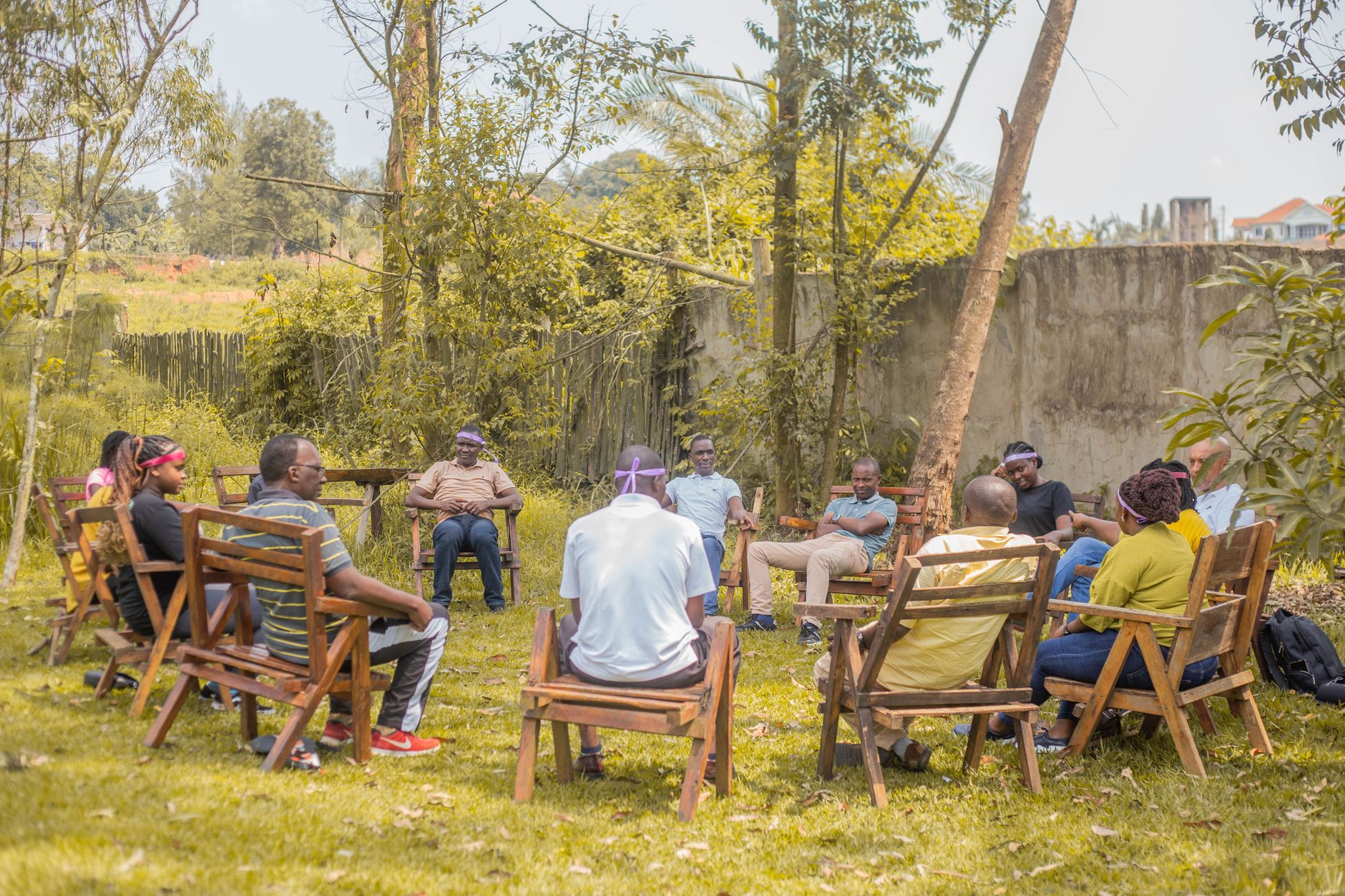
Most groups open with a welcome and a quick check on how everyone has been since the last meeting. Facilitators track flare-ups, hospital admissions and medication changes informally, which means a deteriorating pattern often gets spotted early. Nobody is asked to perform. Sitting out an exercise and simply watching is entirely acceptable.
A Typical 90-Minute Session
The exercise portion follows the pulmonary rehabilitation model: sit-to-stand repetitions, seated marching, resistance bands and step-ups scaled to ability. Pulse oximeters circulate so members learn their own desaturation patterns. A reading dipping to 88 per cent during effort means slow down rather than stop, and facilitators explain that distinction repeatedly.
Talk time is the part members rate highest in feedback surveys. Topics range from humidifier settings and winter face coverings to arguing successfully with utility companies over warm home discounts. Practical intelligence circulates fast in a room of twenty people who have each lived with the condition for years.
Costs, Transport and What to Bring
Money matters when a condition limits your earning power. NHS pulmonary rehabilitation is free on GP or respiratory nurse referral. Community groups run on donations, usually a pound or two towards hall hire and refreshments. Leisure centre classes cost more but include qualified instructors and full insurance cover.
| Option | Typical cost | Frequency |
|---|---|---|
| NHS pulmonary rehabilitation | Free on referral | Twice weekly, 6 to 8 weeks |
| Charity peer support group | £0 to £2 donation | Monthly |
| Leisure centre lung class | £3.50 to £5 | Weekly |
| Singing for lung health | £4 to £6 | Weekly or fortnightly |
| Community transport | £3 to £8 return | As needed |
Transport defeats more people than the exercise does. Community car schemes across South Oxfordshire charge roughly 45p per mile plus a small booking fee, and dial-a-ride services run about £3 to £8 return. Many groups coordinate lift-sharing informally, so ask before assuming a session is unreachable.
Bring your inhalers, a rescue pack if you have one, a water bottle and flat shoes with a proper heel. A written list of current medications helps facilitators respond correctly if you struggle mid-session. Oxygen users should mention cylinder requirements when booking so the venue can plan safe positioning.
Pulmonary Rehab and Peer Groups: Choosing Between Them
Pulmonary rehabilitation is a structured clinical course, typically twice weekly for six to eight weeks, combining supervised exercise with education on pacing, nutrition and anxiety management. The evidence for it is strong: measurable gains in six-minute walk distance and fewer admissions. It ends, though, and that ending is where many people lose momentum.
Peer-led copd support groups fill the gap afterwards. They lack clinical supervision but continue indefinitely, which suits a progressive condition better than a fixed course. The strongest arrangement is sequential: complete rehabilitation first, then move straight into a community group that maintains the habits the course established.
Singing for lung health sits between the two. Sessions train breath control through phrasing and posture rather than exercise circuits, and participants frequently report reduced breathlessness anxiety within a few months. Sessions typically cost £4 to £6 and appeal strongly to people who dislike gym-style formats.
Companion Animals, Daily Movement and Realistic Dog Choices
Dog ownership appears constantly in group conversation because a dog enforces gentle daily movement and structures an otherwise shapeless day. The catch is matching the animal to your capacity. A puppy demanding two brisk hours of exercise will defeat someone managing 200 metres between rests, however much affection is involved.
Why Flat-Faced Breeds Come Up So Often
A low-exercise reputation explains why members type french bulldog puppy for sale into a search bar within minutes of raising the subject. Frenchies genuinely need less distance than a spaniel or collie. They are also brachycephalic, meaning many struggle with airway obstruction themselves, and a household where two occupants wheeze creates its own complications.
The same caution applies to searches for an english bulldog puppy for sale near me or a british bulldog puppy for sale near me. Both types carry elevated risk of brachycephalic obstructive airway syndrome, heat intolerance and surgical intervention. A vet consultation before committing costs nothing beyond a standard appointment fee and prevents expensive regret later.
Budgeting for a Puppy on a Fixed or Reduced Income
Purchase price is the smallest part of the commitment. The french bulldog puppy price uk range typically sits between £1,500 and £3,000 from health-tested parents, while insurance for a brachycephalic breed runs £45 to £90 monthly and airway surgery can exceed £2,500. Budget for the decade, not the transaction.
Search phrasing changes what you actually see. Group members report that small wording variations surface different listings, different price bands and very different levels of breeder scrutiny, so comparing several before contacting anyone is sensible practice.
- french bulldog puppy for sale uk gives national results, the widest price spread, and most sellers far from Oxfordshire
- puppy french bulldog for sale uk draws on a similar pool while surfacing newer or lower-ranked adverts
- puppy french bulldog for sale is broader and noisier, mixing rehoming posts with commercial listings
- puppy for sale french bulldog overlaps heavily with the above and works best as a cross-check
- blue french bulldog puppy for sale carries a colour premium of £500 or more, and coat colour guarantees nothing about health
- mini bulldog puppy for sale is a marketing label rather than a recognised breed standard
- puppy bulldog for sale near me returns local litters you can visit alongside the mother
- american bulldog puppy for sale near me returns a far larger, higher-energy dog than many people expect
Always view a puppy with its mother, ask to see health certificates, and treat a seller who suggests meeting in a car park as an automatic refusal. Anyone browsing american bulldog puppy for sale near me should be honest about handling a 45-kilogram adult on a lead during a breathless week.
How Do I Join COPD Support Groups Near Wallingford?
Start with your GP surgery or respiratory nurse, who can refer you into pulmonary rehabilitation and usually holds a list of community groups. Reception staff often know meeting times that never appear online, because many groups rely entirely on word of mouth and noticeboards.
Asthma and Lung UK maintains a national directory of Breathe Easy style groups searchable by postcode. Local libraries, parish magazines and community centre boards carry listings too. Most organisers welcome a phone call first so you know exactly what a session involves before arriving.
Attend once before deciding anything. Bring a friend or family member if the first visit feels daunting, since nearly every group permits companions. There is no commitment, no membership form in most cases, and leaving after twenty minutes is entirely acceptable if the format does not suit you.
Is a French Bulldog a Sensible Pet When You Have COPD?
Sometimes, with caveats. The exercise requirement genuinely suits reduced capacity: two twenty-minute walks satisfy most Frenchies, compared with the ninety minutes a working breed demands. That alignment is why the breed dominates conversation whenever pets come up during a group meeting.
The complication is shared vulnerability. Brachycephalic dogs snore, snort and overheat, and an owner already sensitive to disturbed sleep may find the night-time noise difficult. Veterinary bills can also arrive suddenly, since airway corrective surgery is common in the breed and rarely cheap.
A calm adult rescue dog, a whippet or a smaller crossbreed often serves better. If you still want the breed, buy from a breeder who screens for airway grading, budget properly for lifetime insurance, and arrange a contingency walker for weeks when your own breathing deteriorates.
What Should I Bring to My First Support Group Session?
Take your reliever inhaler, any rescue medication pack, a water bottle and supportive flat shoes. Loose layers help, because church halls swing between cold and stuffy, and overheating triggers breathlessness almost as reliably as exertion does in most members.
A written medication list matters more than people expect. It lets facilitators act correctly if you struggle, and it speeds up conversations with visiting respiratory nurses. Some members also bring their own fingertip oximeter, which costs around £20 and makes tracking progress between sessions straightforward.
Bring two pounds in coins for refreshments and a notebook for the practical tips that surface during the tea break. Questions are welcome from the first visit onwards, and asking about pacing techniques or winter planning usually starts a conversation that benefits the whole room.
