
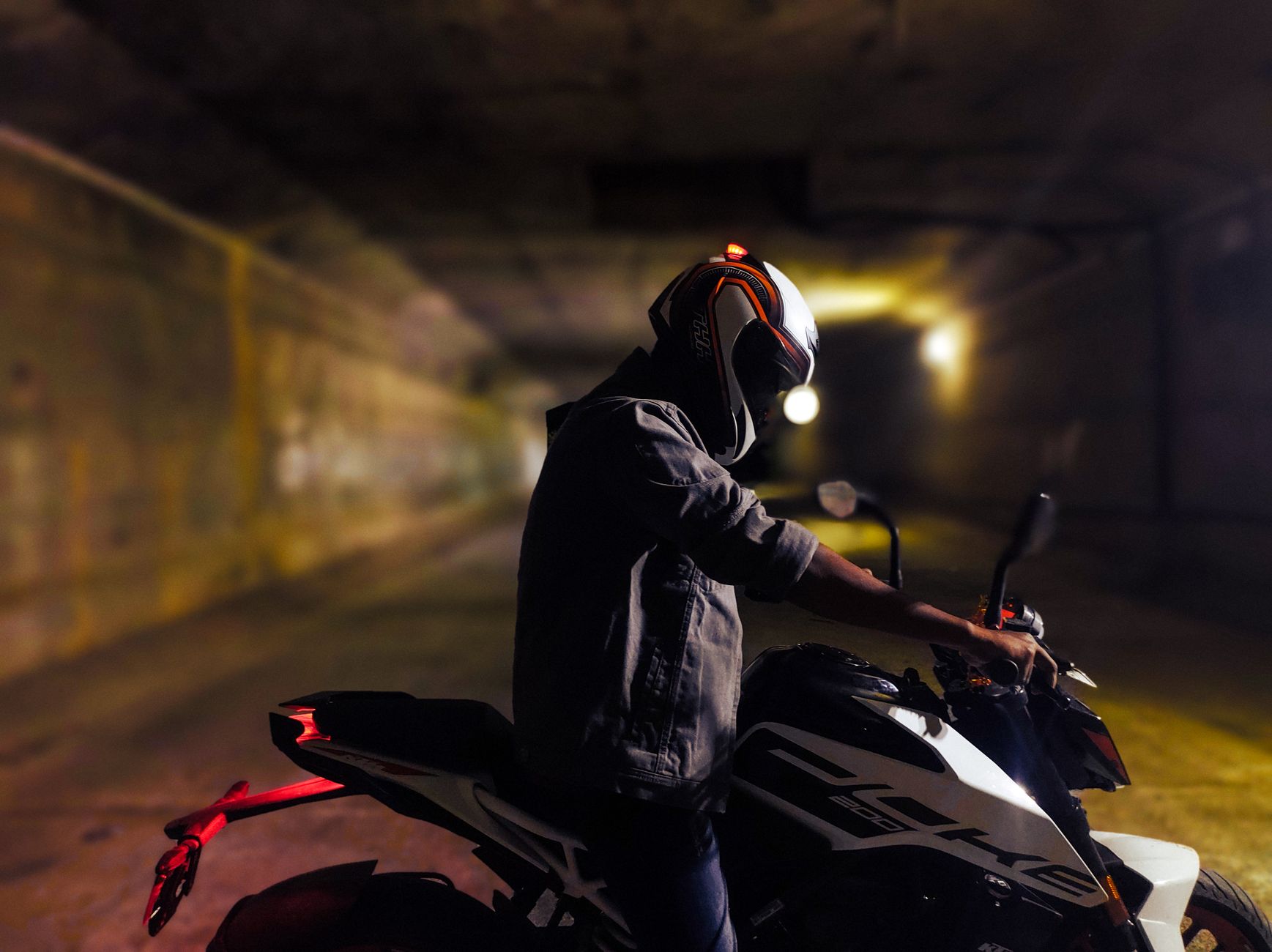
How to Become a Blood Bike Rider Volunteer UK Hospitals Rely On
Every night across England and Wales, unpaid riders move packed red cells, platelets, donor breast milk and urgent pathology samples between hospitals, and every one of them started where you are now: working out what a blood bike rider volunteer UK charity actually expects. The role is more disciplined than most people imagine. Groups typically ask for an advanced riding qualification, a licence with few or no penalty points, and a commitment of roughly one duty night a fortnight, usually running from 7pm until 6am. In exchange you ride a fully maintained, liveried machine such as a BMW R1250RT or Honda ST1300, carrying loads that change patient outcomes before dawn. This guide covers entry requirements, the real costs in pounds, the training route through IAM RoadSmart or RoSPA, how shifts are allocated by controllers, and how the commitment sits alongside other town and village volunteering.
What a Blood Bike Rider Volunteer UK Charity Actually Transports
The cargo is rarely just blood. A single duty night might involve platelets to a district general hospital, donor breast milk to a neonatal unit, frozen plasma, theatre instruments, notes for an emergency transfer, and pathology samples that must reach a laboratory before the analyser batch closes. Larger groups complete more than 10,000 such runs a year.
A blood bike rider volunteer UK group signs up is bound by the charity operating procedure, not personal judgement. Some groups are legally permitted to fit blue lights, yet most riders are still expected to observe normal speed limits and drive within standard road law. Urgency is managed through planning and reliability, never through heroics on a wet A-road at 2am.
The machines themselves are serious equipment. A fully specified bike with panniers, temperature-controlled transport boxes, radio, top box and livery costs a charity roughly £15,000 to £20,000, and many groups also run a liveried estate car for bulk loads, incubator transfers or nights when ice makes two wheels an unnecessary risk.
A Typical Night Shift
You collect the bike from a base or keep it at home, then run pre-duty checks: tyre pressures, chain or shaft, fuel level, box seals, radio and charged phone. The controller logs you on at 7pm. Some nights bring four calls and 180 miles; others bring nothing at all beyond a quiet evening on standby.
Runs are handed over hospital to hospital with signatures at both ends, and every mile is recorded for the charity annual report and its funders. Riders keep a personal log too, because insurers, trustees and the operations team all use that data when reviewing cover, servicing intervals and rota gaps.
Licence, Training and Advanced Riding Requirements
Almost every group asks for a full Category A licence held for at least two years, a minimum age of 25 for insurance reasons, and an advanced qualification gained before or shortly after joining. Three penalty points are usually tolerated; six or more will normally stop an application at the first form.
The standard route is the IAM RoadSmart Advanced Rider Course or the RoSPA Advanced Riding Test, both delivered by volunteer observers who ride with you over several months. Expect around 12 to 20 observed runs before a test, plus honest feedback about positioning, overtakes, cornering discipline and how you behave when running late.
Many charities then add their own familiarisation programme: a pillion or follow ride with an experienced member, box handling and cold-chain training, radio protocol, incident reporting and a probation period of six to twelve months. Some also require an enhanced DBS check, particularly where runs involve neonatal units or children hospices.
| Requirement | Typical standard | Indicative cost |
|---|---|---|
| Motorcycle licence | Full Category A held 2+ years | Already held |
| Minimum age | 25 in most groups, 21 in a few | Free |
| Advanced qualification | IAM RoadSmart or RoSPA advanced test | £175 to £220 |
| Licence record | Maximum 3 penalty points | Free DVLA check code |
| Background check | Enhanced DBS where required | Paid by the charity |
| Shift commitment | 1 to 2 duty nights per month | Your time |
Costs, Kit and How Blood Bike Charities Raise Money
Riders do not pay for fuel, insurance, tyres or servicing; the charity carries all of it, and most reimburse mileage for collecting the bike. What you supply is your own protective kit. A sensible textile suit, all-weather boots, winter gloves and a well-fitted helmet come to roughly £600 to £900, replaced every few seasons.
Running one bike costs a charity around £3,500 to £5,000 a year once fuel, servicing, consumables and specialist insurance are counted, so fundraising never stops. Groups sell raffle tickets at supermarkets, take collection buckets to bike meets, and pay the modest village hall hire cost UK community groups know well, typically £8 to £25 an hour, for quiz nights and coffee mornings.
Retail income matters as much as events. Volunteers sorting stock in the best charity shops in London and in small market towns fund the same fleet, and donating clothes to charity UK shops can actually resell raises far more than a bag left in a textile bank. Learning how to run a village fete well can net a group £2,000 in an afternoon.
Starting a Group Where None Exists
If your county has no coverage, joining an established charity as a satellite is faster than founding one. Anyone researching how to set up a charity will meet the Charity Commission registration threshold, trustee recruitment, safeguarding policies and insurance underwriters who need to see an operating manual before they will quote for emergency transport work.
Fitting Blood Bike Shifts Around Other Community Roles
Night duty pairs surprisingly well with daytime volunteering, because standby hours fall outside normal commitments. Riders often hold two or three roles locally, and the operations team simply needs your unavailable dates in the rota system four to six weeks ahead so cover can be arranged without last-minute scrambling.
- Sorting and packing donations if you have asked how to volunteer at food bank sessions in your own parish
- Driving parcels for households moving through the UK food bank referral process after a voucher is issued
- Explaining a community fridge, how it works, and who checks the temperature logs each morning
- Clearing beds and organising rotas when starting a community garden UK councils will lease land for
- Serving as a governor if you have looked into how to become a school governor at the local primary
Civic roles suit the same temperament. The parish council meeting rules UK residents rely on, covering agendas published three clear days ahead, public participation and declarations of interest, reward people who like procedure. If you have ever wondered about a neighbourhood watch scheme, how to start one, or how to chair anything, blood bike governance will feel familiar.
The practical limit is fatigue, not enthusiasm. A rider who works Monday to Friday, sits on a school governing body, and takes two duty nights a month is close to sustainable capacity. Groups would rather have a dependable volunteer for eight years than an exhausted one who disappears after eight months.
How to Apply and Survive Your First Year
Find your regional group through the national association covering blood bike charities, then attend an open evening before applying. Expect an application form, licence check code, references, an informal interview with the rider liaison officer, and a waiting list, because well-run groups often have more applicants than duty slots available.
Once accepted, ride conservatively. New members are usually rostered on quieter weeknights with shorter runs while they learn the hospital geography: which barrier needs a fob, which pathology reception closes at midnight, where the neonatal unit intercom actually is. That local knowledge is what separates a competent rider from a fast one.
Keep records, answer the controller quickly, and say no when you are tired or unwell. Charities track completed runs, declined calls and rota reliability, and the volunteers who move into observer, controller or trustee positions are almost always the ones who were consistently and unglamorously dependable in year one.
How Long Does It Take to Become a Blood Bike Rider Volunteer UK Charities Will Accept?
Plan for six to eighteen months from first enquiry to first solo duty. If you already hold an IAM RoadSmart or RoSPA advanced qualification, the timeline shortens dramatically, often to a couple of months covering induction, familiarisation rides, box and cold-chain handling, radio procedure and a probationary period. If you do not, the advanced course itself typically takes three to nine months depending on observer availability, weather and how often you can ride midweek. Add waiting-list time, because popular groups in the Midlands and South East frequently pause recruitment while they train the intake they already have. Applying in autumn is often quicker than applying in spring, when enquiries peak alongside the riding season.
Is Riding for a Blood Bike Charity Dangerous or Expensive for Volunteers?
The financial burden is small and the safety culture is strict. The charity funds the machine, fuel, insurance, servicing and any required background checks, so your real outlay is personal protective clothing at roughly £600 to £900 and the £175 to £220 advanced test fee, which some groups reimburse after successful probation. On risk, groups take a deliberately unexciting approach: no exemptions unless specifically authorised and trained, mandatory stand-down in ice or fog, minimum rest between shifts, and incident reporting for near misses as well as collisions. Riders complete refresher assessments every two to three years. Statistically, disciplined night riding on quiet roads at legal speeds compares favourably with routine commuting.
What Should I Do if I Want to Help but Cannot Ride a Motorcycle?
Every group needs more non-riders than riders. Controllers take calls from hospitals and dispatch duty crews, usually from home over a laptop and phone, and this role suits people who cannot ride for medical, licence or confidence reasons. Car drivers cover bulk loads, incubator transfers and winter nights when two wheels are unsuitable. Beyond operations, charities need treasurers, social media coordinators, fundraisers, shop volunteers, event marshals and speakers who present to Rotary clubs, WIs and motorcycle groups. Many volunteers begin by counting collection buckets or running a tombola stall, then move into control room training a year later. Contact your regional group and ask which rota currently has the biggest gap.
