
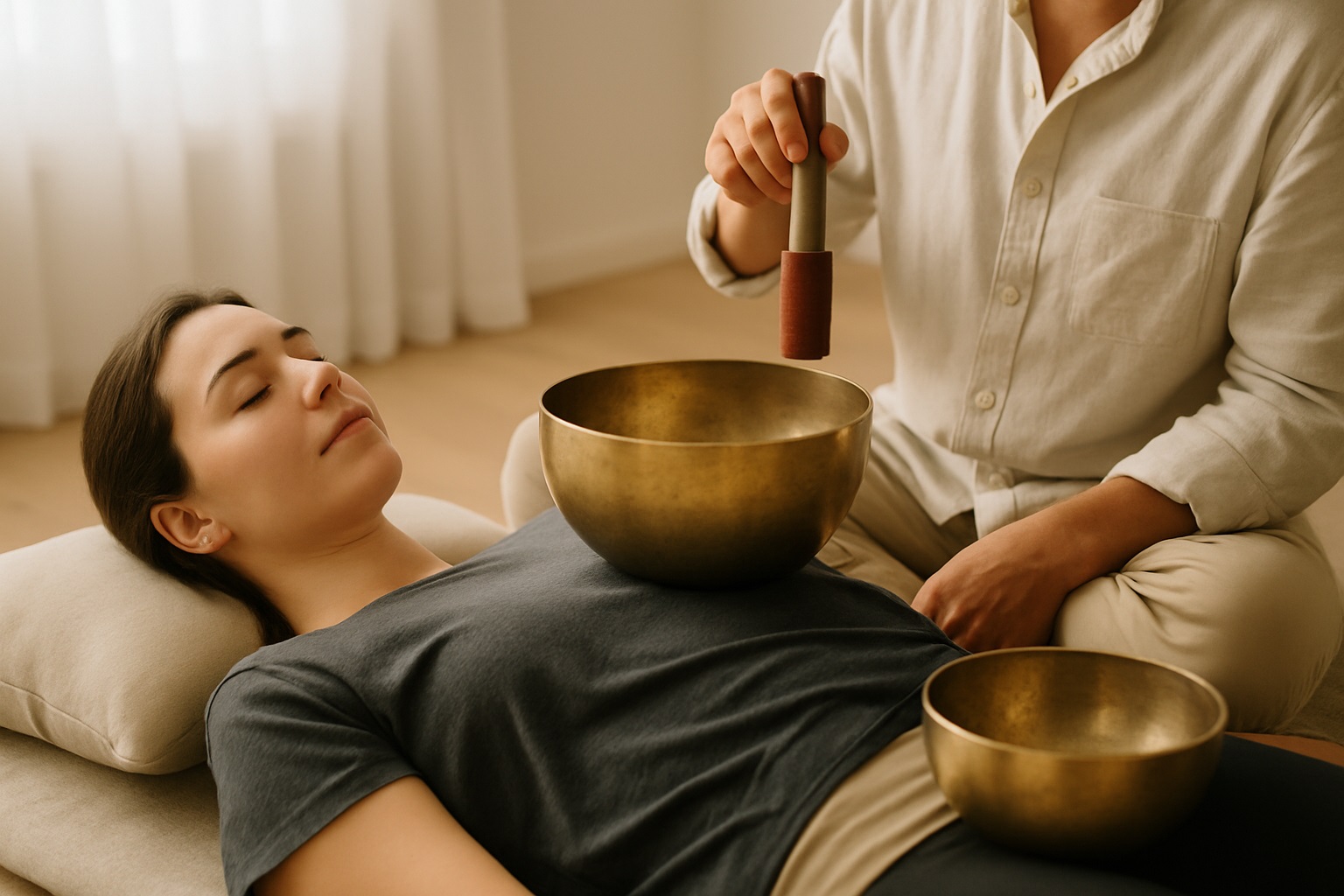
Rediscovering ancient medicine in modern form
Sound has been used as a healing tool for centuries — from Tibetan singing bowls to Aboriginal didgeridoos — and today, it’s being embraced once again by wellness communities and health practitioners alike. Sound therapy involves using specific tones, vibrations, and frequencies to influence the body and mind. Whether through guided sound baths, binaural beats, or therapeutic music, this approach offers a deeply immersive and non-invasive way to reduce stress, rebalance emotions, and support holistic healing. In a world of constant noise, sound therapy invites you to listen differently — not just with your ears, but with your whole being.
How vibration affects the nervous system
At the core of sound therapy is the concept of resonance: every part of the body, from cells to organs, vibrates at a specific frequency. When exposed to harmonious sounds, the body tends to synchronize — a process known as entrainment — leading to a state of physiological balance. Sound waves stimulate the vagus nerve, activate the parasympathetic nervous system, and promote deep relaxation. This makes sound therapy an effective tool for reducing anxiety, easing pain, improving sleep, and lowering blood pressure — without the need for medication or invasive procedures.
Emotional release and mental clarity
Beyond its physical effects, sound therapy provides a safe space for emotional processing. The layered tones of instruments like gongs, crystal bowls, or chimes can unlock repressed feelings, allowing them to surface and dissolve. Many participants in sound sessions report feelings of peace, catharsis, or even vivid imagery and memories. The mind quiets as it follows the sound, shifting brainwaves from active beta states into meditative alpha or theta ranges. These altered states promote creativity, insight, and emotional release — similar to deep meditation, but often more accessible for those who struggle with silent mindfulness practices.
Practical ways to explore sound healing
You don’t need to attend a formal sound bath to benefit from sound therapy. High-quality recordings of solfeggio frequencies, nature sounds, or binaural beats can be integrated into daily routines — during work, rest, or sleep. Playing a singing bowl at home, humming intentionally, or simply listening to acoustic music with intention can create calming resonance. The key is consistency and presence — allowing yourself to fully receive the vibrations without distraction. Sound therapy works subtly, but its effects accumulate over time, offering a quiet revolution in how we approach health and healing.
