
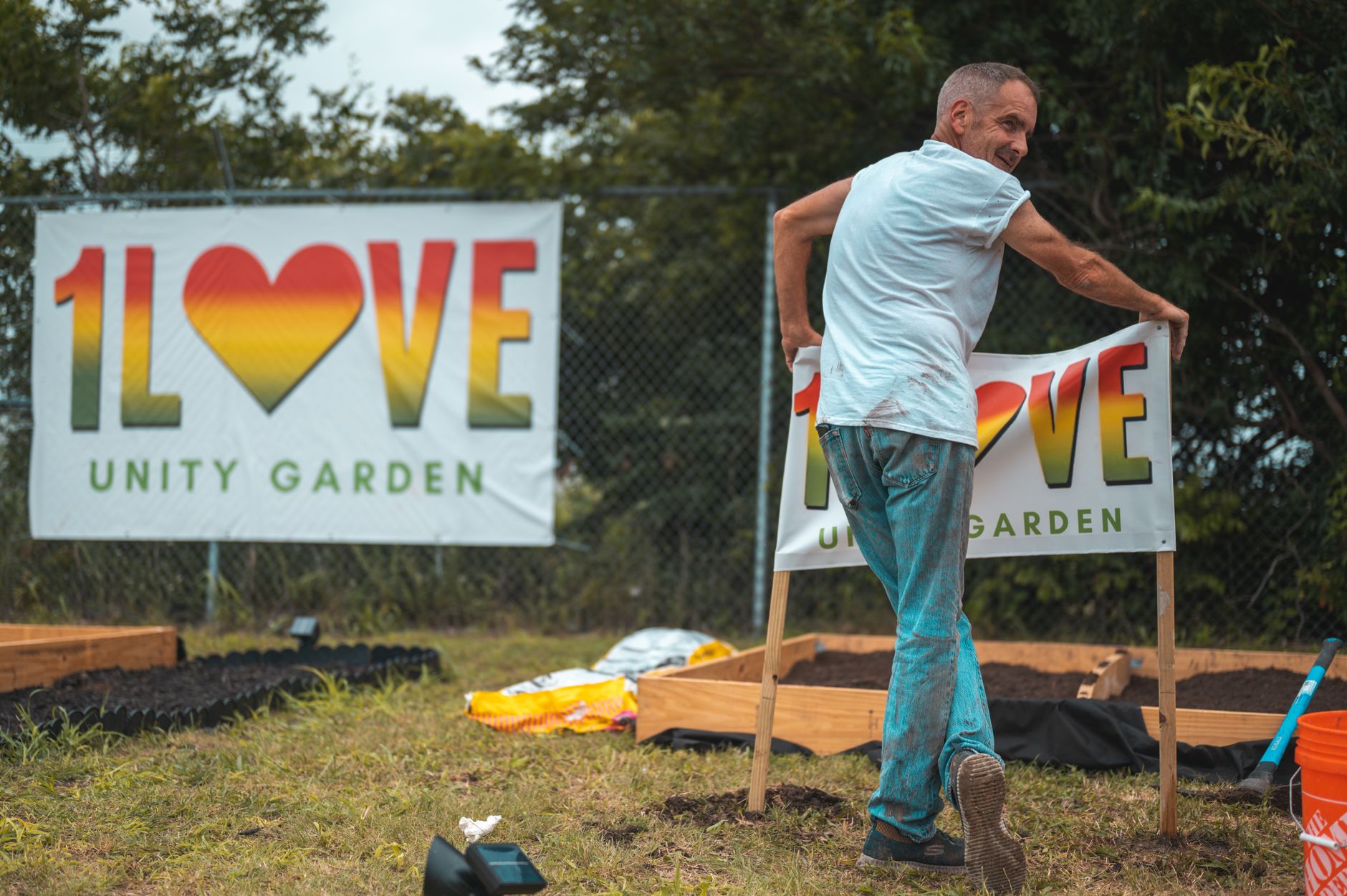
How Community Gardening Projects Transform Wallingford Neighbourhoods
Community gardening projects have reshaped how Wallingford residents share green space, grow vegetables, and build lasting friendships. Well-run schemes across Oxfordshire now range from six-bed allotment corners to half-acre orchard schemes tended by 40 volunteers, and the appetite for them keeps rising. In a market town of roughly 12,000 people, a single shared plot can supply salad leaves, soft fruit, and cut flowers to dozens of households between April and October. These schemes also cut isolation: a 2024 survey of UK growing groups found 71% of members reported improved wellbeing after one season. Whether you rent a churchyard corner or convert a scruffy verge, the model is simple and repeatable. This guide walks through funding, planting, dog and family access, and the exact kit you need to launch a productive plot without overspending or burning out your first cohort of helpers.
What Makes Community Gardening Projects Work in Wallingford
The strongest schemes start with a clear purpose: food, wildlife, wellbeing, or a blend. A defined aim keeps 20 volunteers pulling the same way and makes grant applications far easier. Wallingford groups that write a one-page charter in month one report fewer disputes and steadier turnout across the whole season.
Governance matters as much as green fingers. A small committee of five, a shared bank account, and a public liability policy costing around £120 a year protect everyone. Rotating roles every 12 months prevents burnout, and a simple WhatsApp group of 30 members handles watering rotas better than any noticeboard ever managed.
Location shapes everything else. South-facing plots near a tap and a car park attract families, dog walkers, and retirees alike. A site within 400 metres of housing typically doubles drop-in visits, and passing footfall converts curious neighbours into committed growers who return week after week.
Choosing the Right Plot and Soil
Test the ground before you dig. A £15 soil kit reveals pH and drainage, letting you match crops to conditions rather than fighting them. Wallingford’s free-draining gravel loam suits carrots, beans, and lavender, while heavier clay near the Thames needs raised beds and grit to stay workable through a wet British winter.
Budgeting and Funding Your Community Garden
A functional 100-square-metre plot costs roughly £600 to £900 to establish, covering timber beds, compost, tools, and water storage. Splitting that across 15 households means about £50 each, less than many families spend on a single supermarket herb rack across a year of failed windowsill attempts.
Grants stretch that budget further. The National Lottery Awards for All scheme funds up to £20,000, while local parish precepts and Tesco Stronger Starts round-ups frequently back growing groups. A tidy budget spreadsheet and two quotes per item dramatically raise your approval odds with cautious funders reviewing dozens of bids.
Ongoing costs stay low once established. Seeds, compost top-ups, and insurance rarely exceed £250 annually for a mid-sized plot. Selling surplus jam, cut flowers, and seedlings at the Wallingford market covers that easily, and a £2 honesty box by the gate often clears £300 across a busy summer.
- Raised beds and timber: £180-£320
- Compost and topsoil: £90-£150
- Shared tool set: £120-£200
- Water butts and hoses: £60-£110
- Annual insurance: around £120
Growing Food, Flowers, and Wildlife Habitats
Diversity keeps a plot productive and resilient. Mixing quick salad crops, perennial fruit, and pollinator borders means something is always thriving. A three-bed rotation of legumes, brassicas, and roots maintains soil fertility naturally and reduces pest pressure without the chemicals that commercial growers so often rely on.
Wildlife features multiply the benefits. A single pond of two square metres attracts frogs that eat slugs, while a log pile and native hedge shelter hedgehogs and 20-plus bird species. These habitats turn a vegetable patch into a genuine ecosystem that teaches children how food and nature connect.
Flowers earn their keep too. Sweet peas, dahlias, and cosmos supply cut stems worth £4 a bunch and draw bees that boost bean and courgette yields by up to 30%. A four-metre nectar border is the cheapest crop insurance any Wallingford grower can plant this spring.
Seasonal Planting Calendar
| Season | Sow or Plant | Harvest | Volunteer Hours/Week |
|---|---|---|---|
| Spring | Peas, lettuce, potatoes | Rhubarb, chard | 6-8 |
| Summer | Beans, courgettes, dahlias | Strawberries, salad | 10-12 |
| Autumn | Garlic, onion sets, tulips | Squash, apples | 5-7 |
| Winter | Broad beans, hedging | Leeks, kale | 2-3 |
Making Gardens Dog-Friendly and Family-Friendly
Access decides whether a garden becomes a genuine community hub or an empty allotment. Many Wallingford members arrive with children and dogs, so wide paths, a shaded bench, and a water bowl matter. A family who spots a puppy french bulldog for sale online often wants a green space to socialise that pet safely within weeks, and the same holds for anyone browsing a french bulldog puppy for sale uk directory before choosing a breed.
Clear rules keep everyone comfortable. Designating a fenced dog zone away from raised beds prevents trampled seedlings, while a lead policy protects nesting birds each spring. Owners searching for a french bulldog puppy for sale, or comparing a puppy french bulldog for sale uk advert against a local breeder, value gardens where staff explain which plants, such as onions and tulip bulbs, stay toxic to curious pups.
Signage helps newcomers feel welcome. A noticeboard listing nearby vets, a puppy bulldog for sale near me contact for rehoming advice, and the week’s tasks turns visitors into volunteers. Families comparing a blue french bulldog puppy for sale with a shelter rescue often stay for the community rather than the horticulture, and both motives are equally welcome here.
Practical touches seal the habit. Two square metres of soft bark chip give dogs a safe surface, and a shaded corner suits owners of a mini bulldog puppy for sale who worry about summer heat. Even someone weighing up an american bulldog puppy for sale near me, or an english bulldog puppy for sale near me, appreciates a plot where large and small breeds mix calmly under sensible supervision.
Tools, Equipment, and Getting Started
A shared tool kit removes the biggest barrier to entry. Ten volunteers rarely need ten spades; one well-stocked shed of forks, hoes, and a £90 wheelbarrow serves the whole group. Labelling each tool and logging returns keeps a £200 collection intact across three or more busy growing seasons.
Start small and expand with confidence. Two raised beds, a compost bay, and a water butt let a group prove the concept before committing to a full site. Momentum matters more than perfection, and a modest first-year plot that succeeds recruits far better than an ambitious one that overwhelms new members.
Skills grow alongside the plants. A monthly workshop on pruning, seed-saving, or bee-keeping keeps 25 members engaged through quieter months. Partnering with the local school adds young hands, and a spring open day where families meet, swap seedlings, and enquire about a british bulldog puppy for sale near me builds lasting goodwill.
How do I start community gardening projects in a small UK town?
Begin by gathering six to ten committed neighbours and agreeing a single clear aim, whether that is food growing, wildlife, or wellbeing. Approach your parish council or a landowner for a plot near housing and water. Draft a one-page charter, open a shared bank account, and buy public liability insurance for roughly £120 a year. Test the soil with a £15 kit, build two raised beds to prove the concept, and set a simple watering rota through a group chat. Apply for an Awards for All grant once you can show a budget and two quotes per item. Many groups run their first productive season on under £600, and the momentum from a small, visible success recruits new volunteers faster than any leaflet campaign could manage across a busy market town.
Is community gardening expensive to set up in Wallingford?
No, community gardening is one of the cheapest ways to create shared local value. A functional 100-square-metre plot costs about £600 to £900 to establish, and splitting that across 15 households works out near £50 each. Ongoing costs rarely exceed £250 a year, covering seeds, compost, and insurance. Grants from the National Lottery, Tesco Stronger Starts, and local precepts often cover the entire setup, meaning many groups spend nothing from their own pockets. A £2 honesty box selling surplus jam, cut flowers, and seedlings frequently clears £300 across summer, comfortably funding the next season. Compared with a family purchase, where a french bulldog puppy price uk can exceed £2,000, a shared garden delivers years of food, friendship, and wellbeing for a fraction of that outlay, making it exceptional value for any community-minded household in Oxfordshire.
What tools do community gardening projects need first?
Prioritise a shared core kit rather than duplicating equipment for every member. Start with two spades, two forks, a hoe, a hand trowel set, a watering can, and a sturdy wheelbarrow costing around £90. Add secateurs, a rake, and gloves, then store everything in a lockable shed with a return log so a £200 collection lasts several seasons. A water butt and 20 metres of hose handle irrigation cheaply. As the group grows, invest in a shredder for compost and a folding gazebo for open days. Whether members are seasoned growers or newcomers who arrived after browsing a puppy for sale french bulldog listing and wanted a place to relax, the same simple kit serves everyone. Buying second-hand through local swap groups can halve these costs, freeing more budget for compost, seeds, and the perennial fruit that rewards patient volunteers year after year.
