

Volunteering in Your Area: The Wallingford Guide to Giving Two Hours a Week
Volunteering in your area is the fastest way to turn a few spare hours into visible change on the streets you already walk every day. Across Wallingford and the wider South Oxfordshire district, volunteering in your area stretches from stewarding the Thursday market to walking rescue dogs at kennels that rehome animals surrendered by owners who bought on impulse after searching for a french bulldog puppy for sale. Oxfordshire Community Foundation values a single volunteer hour at roughly 16.50 GBP, so a steady two-hour weekly commitment returns about 1,716 GBP of social value across a year. That number matters, because 71 percent of small charities in the county now report a shortfall of regular helpers rather than a shortfall of cash. This guide sets out where the vacancies genuinely sit, what each role demands in hours and skills, and how to pick one that survives contact with work, study or family life.
Where to Find Volunteering in Your Area
The Wallingford volunteer noticeboard carries between 30 and 45 open roles at any point in the calendar, while the district-wide Oxfordshire register runs closer to 900. Most residents never see them, because the listings sit behind three separate portals instead of one shared feed, and the smallest groups never post online at all.
Local Hubs, Noticeboards and Word of Mouth
Start with the physical noticeboards: the library on High Street, the Corn Exchange foyer, and the parish church porch. Between them they advertise stewards, minibus drivers, litter-pick leads and befrienders. These paper listings are refreshed weekly and rarely duplicate what appears online, which is precisely why they stay unfilled for months.
The second channel is conversation. Roughly 40 percent of new recruits in market towns of this size arrive through a friend already inside the organisation. Ask at the food bank counter or the cricket club bar, and you will usually be handed a name and a phone number within minutes rather than a form.
Digital Matching Platforms
Do-it, Reach Volunteering and the NCVO directory let you filter by postcode, cause and weekly hours. Set the radius to five miles around OX10 and you will typically surface 60 to 90 live roles. Save the search, switch on email alerts, and treat the first three replies as your shortlist rather than your commitment.
Animal Rescue: The Sector Crying Out for Hands
Animal welfare absorbs more volunteer hours in Oxfordshire than any other cause except food aid. The reason is arithmetic. Demand for flat-faced breeds exploded after 2020, search interest in puppy french bulldog for sale climbed year on year, and the intake queues at regional rescues have never recovered from the resulting wave of surrenders.
Behind every listing for a puppy for sale french bulldog there is a five-year cost most buyers never model. A typical french bulldog puppy price uk now sits between 1,200 GBP and 3,500 GBP, with breathing surgery adding 2,000 GBP to 4,000 GBP and annual insurance running 55 GBP to 90 GBP a month. When those bills land, the dog often lands in a kennel instead.
The same pattern repeats across the bulldog family. People type english bulldog puppy for sale near me or puppy bulldog for sale near me, buy quickly, then discover the vet bills. Rescues in Didcot, Abingdon and Reading absorb the consequences, and every one of them is short of weekend kennel assistants and home-check drivers.
Kennel Shifts, Fostering and Home Checks
A standard kennel shift is four hours: cleaning runs, refreshing water, two walks and socialisation work with nervous dogs. Fostering is the higher-impact option, because a dog in a living room recovers faster than a dog in concrete, and foster carers get food and veterinary costs reimbursed in full by most Oxfordshire charities.
Home checks suit anyone with a car and an hour to spare. You visit an applicant, photograph the garden fencing, and confirm the household matches the application. It is the single cheapest way to stop a blue french bulldog puppy for sale ending up in an unsuitable home for the second time in its life.
Community Roles Beyond Animal Welfare
Wallingford Food Bank distributes roughly 90 parcels a week and needs two warehouse volunteers per session to weigh, sort and rotate stock. Shifts run Monday and Thursday mornings, last three hours, and require no experience beyond the ability to lift a 10 kg crate safely and follow a date-rotation sheet.
Heritage and culture soak up a surprising volume of hours. The town museum runs on 34 volunteers, the Ridgeway path needs seasonal clearance parties, and the Corn Exchange theatre depends on front-of-house stewards for every production. Most of these roles carry a two-hour induction and nothing more demanding than a rota.
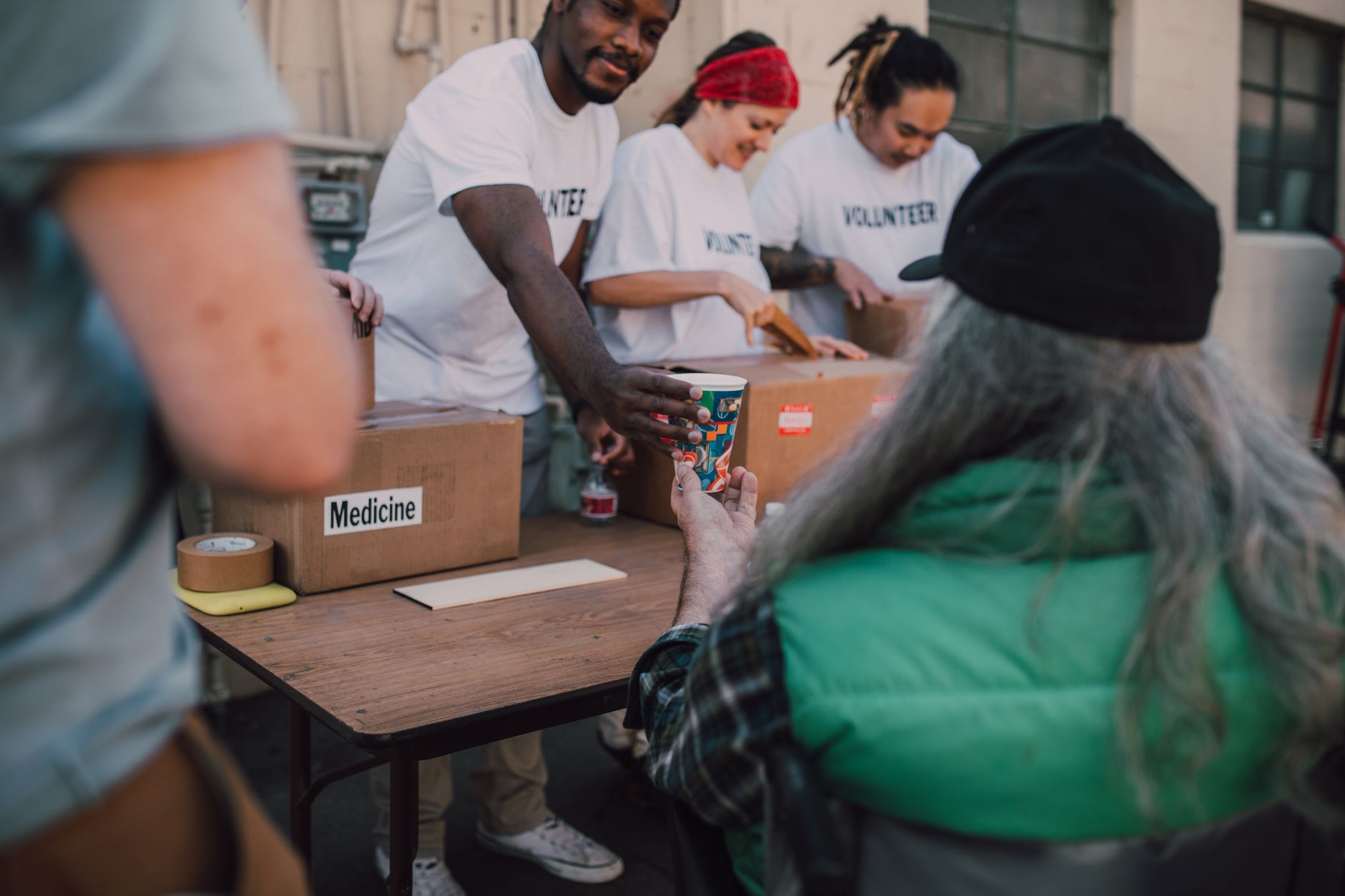
Then there is befriending, which is the hardest to fill and the most valuable. A weekly phone call or a shared cup of tea with an isolated resident measurably reduces GP visits. The training is four hours, the commitment is six months, and the waiting list of people who need it is longer than the list of people offering.
Time, Cost and What You Actually Get Back
Volunteering is not free. You spend fuel, you spend hours, and in some roles you spend emotional energy that does not switch off when the shift ends. Modelling that honestly before you commit is what separates the people still turning up in year three from the ones who quietly stop replying in week six.
The table below sets out realistic figures for the most common Wallingford roles, based on current rotas and typical mileage. Expenses are reimbursed at 45 pence per mile by most registered charities, provided you claim them, which around half of volunteers never bother to do.
| Role | Hours per week | Training needed | Out-of-pocket cost |
|---|---|---|---|
| Kennel assistant | 4 | Half-day induction | 3-5 GBP fuel |
| Food bank sorter | 3 | 1 hour | Under 2 GBP |
| Befriender | 1-2 | 4 hours | Phone credit only |
| Theatre steward | 3 per show | 2 hours | Nil |
| Foster carer | Daily | Home visit | Reimbursed in full |
The return is measurable. Regular volunteers report higher life satisfaction scores, and employers in Oxfordshire increasingly treat a two-year charity commitment as evidence of reliability. It is also the cheapest professional network a career-changer will ever build in a town this size.
Getting Started: Checks, Training and Your First Shift
Expect paperwork. Roles involving children or vulnerable adults require an enhanced DBS check, which the charity pays for and which takes 10 to 21 days to clear. Animal roles usually need only two references and a tetanus reminder, so kennel work is often the fastest route from enquiry to first shift.
Book a taster session before you sign anything. Most organisations will let you shadow for two hours with no obligation, and that single visit tells you more than any role description. If someone searching american bulldog puppy for sale near me spent one Saturday in a rescue kennel, the shortlist would look very different by Sunday.
Finally, protect the commitment. Put the shift in the same calendar you use for work, tell one person you are going, and treat the first eight weeks as the trial period. Attrition is heaviest at week six, and the volunteers who survive it almost always stay for years.
Frequently Asked Questions
How do I start volunteering in your area with a full-time job?
Choose a role with a fixed, predictable slot rather than an on-call one. Theatre stewarding, Saturday kennel shifts and evening befriending calls all fit around a 09:00 to 17:00 week without negotiation with your employer. Begin with a two-hour taster, then commit to a single recurring slot for eight weeks before adding anything else. Around 200 Oxfordshire employers also run paid volunteering days, typically one to three per year, so check your staff handbook before assuming you must use annual leave. If your hours are irregular, ask about micro-volunteering: home checks, translation, or one-off event marshalling can be claimed shift by shift with no fixed rota at all.
Is fostering a rescue dog better than buying a puppy?
For most households, yes, on both cost and welfare grounds. A person searching puppy french bulldog for sale uk or british bulldog puppy for sale near me is typically looking at 1,200 GBP to 3,500 GBP upfront, plus insurance premiums that are among the highest of any breed because of airway and spinal conditions. Fostering reverses that arithmetic entirely: food, bedding and veterinary treatment are reimbursed by the charity, and you keep the option to adopt if the match works. You also free a kennel space immediately, which in practice means one more dog pulled off a waiting list that currently runs eight to twelve weeks across the Thames Valley.
What does a first shift at a rescue centre actually involve?
Arrive in old clothes and waterproof boots, because you will be hosing concrete within twenty minutes. A first shift is deliberately unglamorous: cleaning runs, refilling water bowls, laundering bedding, and shadowing an experienced handler on two short walks. Nobody hands a new volunteer a reactive dog on day one. Expect a safety briefing covering bite protocol, lifting technique and disinfectant handling, then three to four hours of steady physical work. The dogs you meet are often the same breeds that fill listings for french bulldog puppy for sale uk or mini bulldog puppy for sale, surrendered at eighteen months when the novelty and the vet bills collided. Most people leave tired and come back the following week.
