
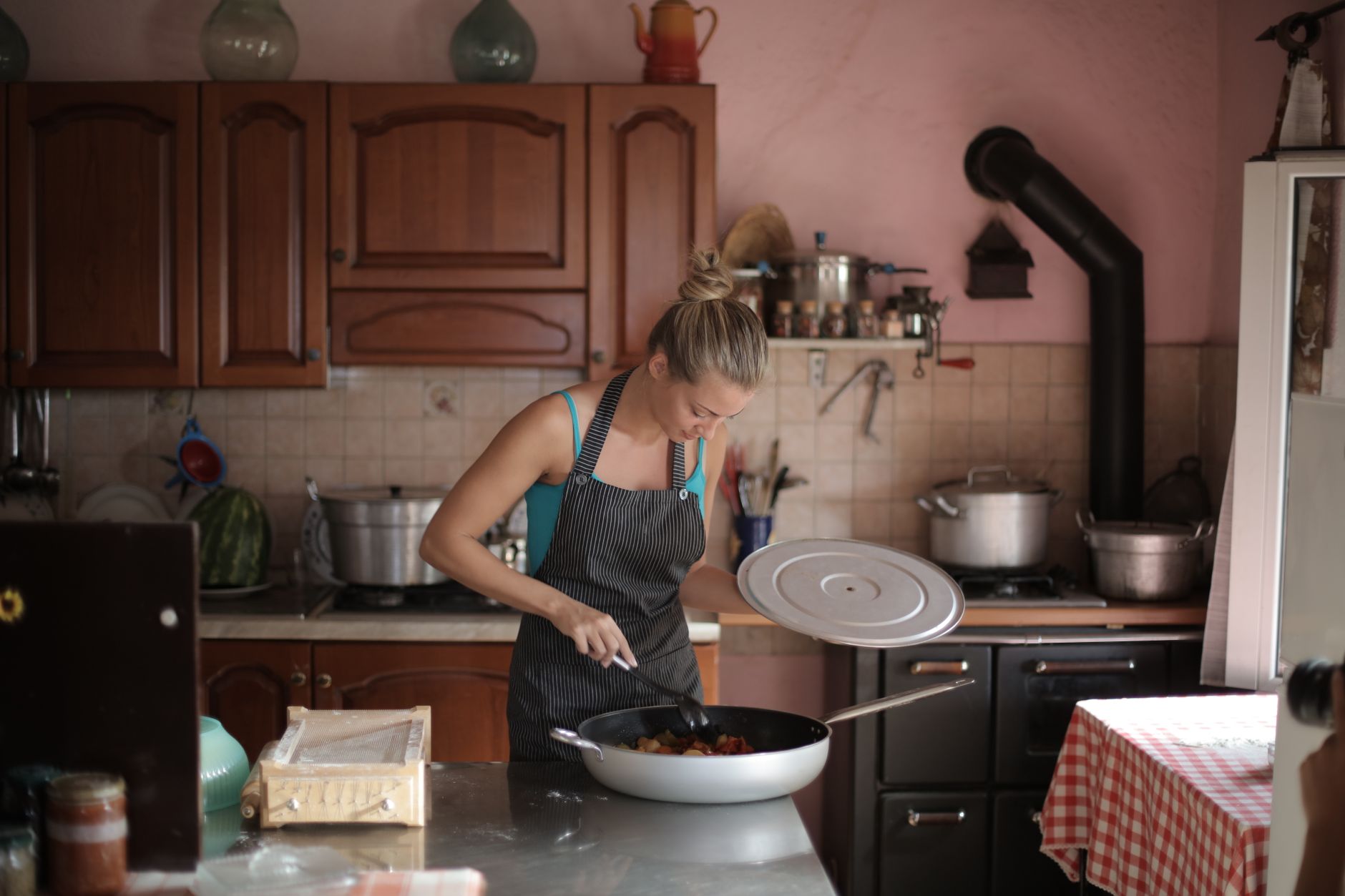
Finding home cooking recipes easy enough to manage after a full workday is the single biggest barrier between most households and a decent dinner. The good news is that home cooking recipes easy on time, skill and budget are not a compromise, they are how the majority of Britain has always eaten. A roast chicken stripped for three meals, a tray of root vegetables, a pot of lentil soup: these are the backbone dishes that cost between £1.10 and £2.40 per portion when made at home, against roughly £4.50 to £7.00 for a supermarket ready meal or £12 for a takeaway. Around Wallingford, where market stalls, allotment gluts and farm shops sit within a few minutes of each other, the raw material is close to hand. What follows is a practical framework: costs, timings, equipment and the habits that keep midweek cooking sustainable rather than aspirational.
Building a Store Cupboard That Makes Weeknight Cooking Automatic
A well-stocked cupboard removes the daily decision that derails most cooks. Tinned chopped tomatoes at roughly 45p, dried red lentils at £1.50 a kilo, long-grain rice, tinned chickpeas, stock cubes and a bottle of decent olive oil cover perhaps forty dishes between them. Stock these once a month and improvisation becomes possible.
Freezer discipline matters just as much. Frozen peas, spinach, sweetcorn and diced onion behave almost identically to fresh in soups, curries and pasta sauces, and they cut prep by ten minutes. A 1kg bag of frozen chicken thighs at around £4.50 delivers six generous portions with no waste at all.
Equipment needs are modest. One heavy 24cm casserole, a sharp 20cm cook’s knife, a wooden board and two baking trays handle nearly everything described here. A cast-iron casserole costs £35 to £70 and lasts decades; a supermarket own-brand knife at £12 outperforms a blunt £60 one every single time.
Cost Per Portion: Home Cooked Versus Bought
The gap becomes obvious once you price identical dishes side by side. The figures below assume mid-range supermarket ingredients, four servings per batch and no specialist equipment, which reflects how household cooking actually works rather than how recipe books present it.
| Dish | Home cost per portion | Shop-bought equivalent | Active time |
|---|---|---|---|
| Lentil and bacon soup | £0.85 | £3.20 | 15 minutes |
| Chicken and root traybake | £1.60 | £5.50 | 10 minutes |
| Beef mince chilli | £1.75 | £4.80 | 20 minutes |
| Fish pie | £2.40 | £6.75 | 25 minutes |
| Victoria sponge | £0.55 | £2.10 | 20 minutes |
Simple Techniques That Carry British Home Cooking
Three techniques carry almost every simple British dish: browning, braising and baking. Browning meat or onions properly in a hot pan for six to eight minutes builds the savoury base that separates a flat stew from a memorable one. Rushing this step is the most common mistake in domestic kitchens.
Braising asks for patience rather than attention. A shoulder of pork or a pack of beef shin at £6 to £8 becomes six portions after three hours at 150°C, and the oven does the work while you do something else. Leftovers improve overnight as the collagen sets into the sauce.
Baking follows the same logic. The great British baking recipes that dominate village fêtes, such as Victoria sponge, rock cakes and a fruit loaf, rely on weight ratios rather than intuition. Classic British baking recipes use equal weights of butter, sugar, egg and flour, which means one set of scales replaces a shelf of instructions.
Cooking Straight From the Allotment and the Local Market
Anyone who has grown a courgette plant knows the problem: nothing, then forty. UK allotment gardening produces gluts, and gluts are where easy cooking earns its keep. A £30 annual plot rent around south Oxfordshire can return £400 to £600 of produce if you cook what actually arrives.
Three preservation habits handle almost any surplus. Roast and freeze tomatoes as a sauce base, blanch and bag beans in two-minute batches, and turn woody courgettes into a spiced chutney that keeps twelve months. Guidance shared across allotment gardening UK forums follows the same seasonal rhythm, so these methods suit almost any plot.
Market stalls fill the gaps. A Wallingford market box of seasonal vegetables at £5 to £8 typically covers four dinners, and traders will tell you what needs eating first. That conversation is worth more than any recipe app, because it points you towards produce at its cheapest and best.
Fitting Cooking Around Work, Walks and Family Life
Timing beats willpower. If you work from home, the best home office setup ideas include a kitchen timer within earshot of the desk, because a casserole started at 4pm needs three checks rather than three hours of attention. Home cooking recipes easy to schedule around meetings survive; elaborate ones do not.
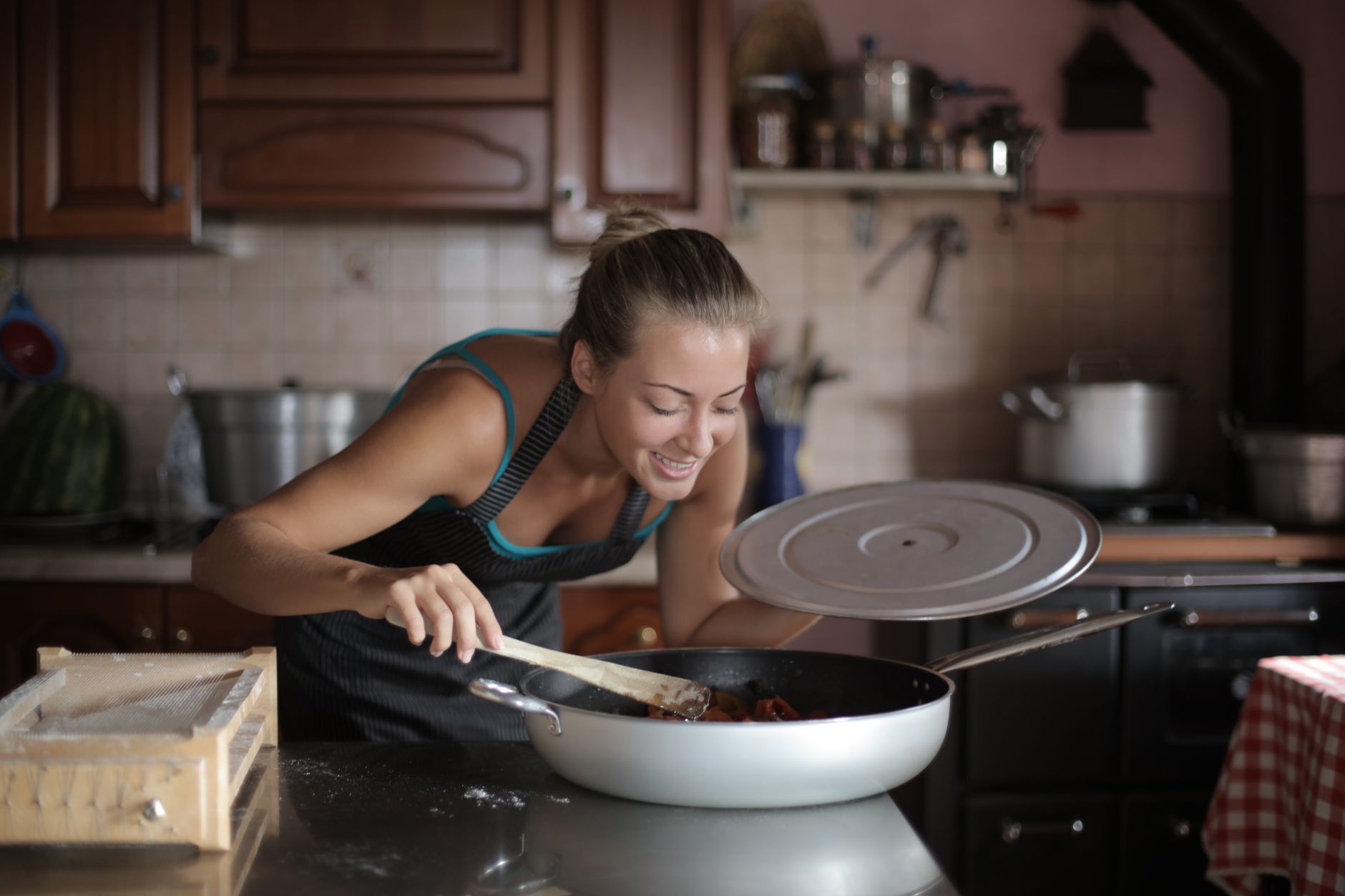
Dog owners have a built-in advantage. Search for dog walking parks near me around Wallingford and you will find riverside routes of forty to sixty minutes, exactly the window a tray of roasting vegetables needs. Set the oven, take the walk, come back to dinner nearly finished.
Batch cooking on Sunday afternoon takes ninety minutes and covers four weeknights. Cook double quantities of a ragù, a curry base and a grain, then vary them with fresh herbs, yoghurt or lemon. Those same parks for dog walking near me double as planning time; a forty-minute loop is long enough to settle the week’s menu in your head.
A Realistic Weeknight Timetable
A workable week looks less like meal-prep videos and more like a rota. The plan below assumes two adults, a shared shopping trip on Saturday and no more than twenty-five minutes of active cooking on any weekday evening, which most households can sustain without resentment.
- Monday: pasta with a frozen roasted tomato base, 20 minutes, about £1.20 per portion
- Tuesday: chicken and root traybake, 10 minutes of hands-on work, the oven does the rest
- Wednesday: Monday and Tuesday leftovers reheated with warm flatbreads, 12 minutes
- Thursday: red lentil dhal with rice and yoghurt, 25 minutes, roughly 70p per portion
- Friday: omelettes, a sharp salad and whatever the fridge still holds, 15 minutes
Bringing Holiday Flavours Back to Your Own Kitchen
Holidays reshape how people cook. A week among the travel destinations in UK coastal counties usually ends with someone trying to recreate Cornish crab on toast or a Northumbrian kipper breakfast. Both take under fifteen minutes at home and cost roughly £3 a head with decent fish.
The best UK travel destinations for food tend to be the ones with a working market: Ludlow, Padstow, Skye, the Yorkshire Dales. Lists of the best travel destinations UK visitors rate highly nearly always overlap with places where local producers still sell direct, which shapes what you cook afterwards.
Trips abroad work the same way. Browsing Hays travel destinations from UK airports usually starts a mental shopping list: smoked paprika from Spain, dried oregano from Greece, preserved lemons from Morocco. Two or three of those jars, costing £2 to £4 each, will restyle a dozen familiar dishes.
Keep it simple when you return. The best home cooking recipes easy enough to repeat weekly are the ones with five ingredients and one pan, not the twelve-step versions from the restaurant. Write down the two dishes you actually loved and cook each one three times.
How do I start cooking at home when I have never followed a recipe?
Start with three dishes rather than thirty. Pick a soup, a traybake and a pasta sauce, then cook each one four times over a fortnight until you stop reading the method. Home cooking recipes easy enough for beginners share a pattern: chop, brown, add liquid, simmer, season. Weigh everything for the first two attempts and taste at each stage, because seasoning is where confidence actually comes from. Expect one failure, a burnt base or a bland stew, and treat it as calibration rather than proof of anything. Total outlay for the ingredients is around £15, less than a single takeaway for two people.
Is cooking from scratch genuinely cheaper than buying ready meals?
Yes, provided you cook the whole batch and eat the leftovers. A four-portion chilli made with 500g of mince, tinned tomatoes, kidney beans and rice costs roughly £7 in total, or £1.75 a portion. The supermarket equivalent runs £4.50 to £5.50 each, so the saving across four servings is about £12. Where scratch cooking loses money is waste: a bag of coriander bought for one recipe and binned six days later erases the gain entirely. Buy fewer perishables, freeze what you will not use within three days, and the arithmetic holds comfortably every week.
What equipment do I actually need for easy home cooking?
Four items cover ninety per cent of everyday dishes: a 24cm lidded casserole, a 20cm chef’s knife, two flat baking trays and a set of digital scales. Budget around £90 for decent versions of all four, and expect the casserole and knife to outlast every gadget you might buy instead. Scales matter more than people assume, particularly for British baking recipes where a ten-gram error changes the crumb. Skip the spiraliser, the bread maker and the single-purpose gadgets until you have cooked without them for six months and identified a genuine gap.
